Top 5 Window And Door Installation Companies In Tampa

Table of contents:

    1. How do I pick the best window and door installation company?
    2. What are the top window and door installation companies in Tampa?
    3. How can you check whether an installer is reputable?
    4. What should you ask a door and window installation company?
    5. How do you know if an installation quote is detailed enough?
    6. How can you tell if your windows were installed correctly?
    7. Who should you call for window and door installation in Tampa?

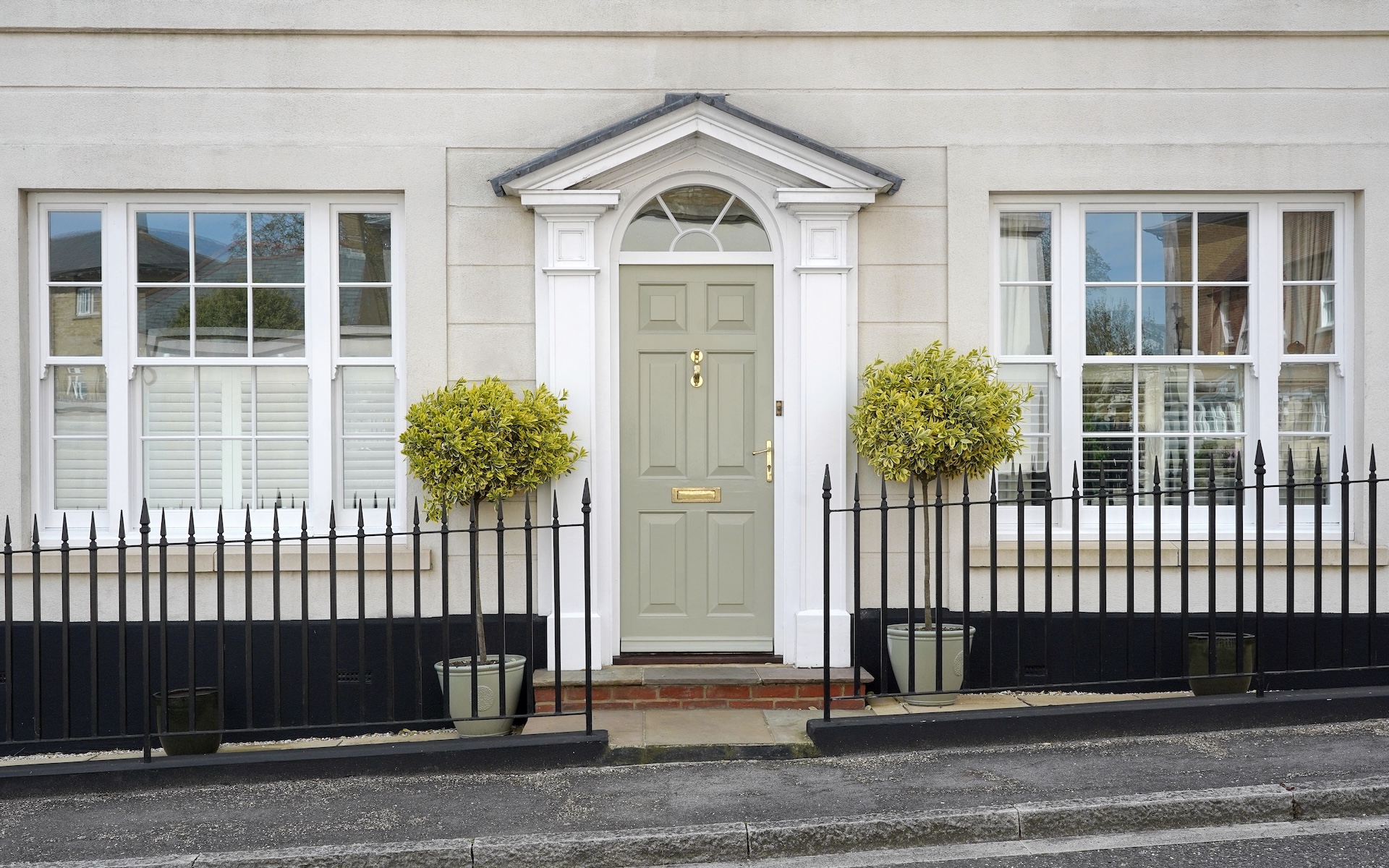
Exterior of a beautiful old town house with windows and front entry details

Key takeaways:

  • Choose Tampa installers with local climate and storm-season experience.
  • A detailed quote should list products, labor, cleanup, permits, and warranties.
  • The Window Depot is the top local pick for Tampa window and door installation.
  • Check reviews, BBB rating, licensing, insurance, and payment terms before hiring.
  • Inspect window operation, sealing, cleanup, and warranty details after installation.
Summary: Tampa homeowners need more than a basic installer when replacing windows or doors. The blog breaks down how climate, product fit, sealing, warranties, and workmanship all affect the final result. It also reviews five installation options in the area and explains why The Window Depot is the most complete choice for homeowners who want local guidance, exterior remodeling experience, and a cleaner start-to-finish process.

A lot can go wrong with a window or door installation before you ever notice it. A small measuring mistake, a weak seal, the wrong product for the opening, or a rushed install can turn into drafts, leaks, sticking doors, uneven windows, and follow-up calls nobody wants to make. In Tampa, those details matter even more because windows and doors have to deal with heat, humidity, heavy rain, strong sun, and storm-season concerns. So choosing an installer is not just about who sells the window or door you like. It is about who understands the home, explains the options clearly, and installs the product so it can perform the way it should.

This guide looks at what separates a careful installer from a rushed one, which companies homeowners may come across during their search, how to check whether a company is reputable, what to ask before booking an estimate, and how to inspect the work once the project is finished. Which is why we suggest you keep reading to learn more about what to look out for when comparing the best window and door installation companies in your area.
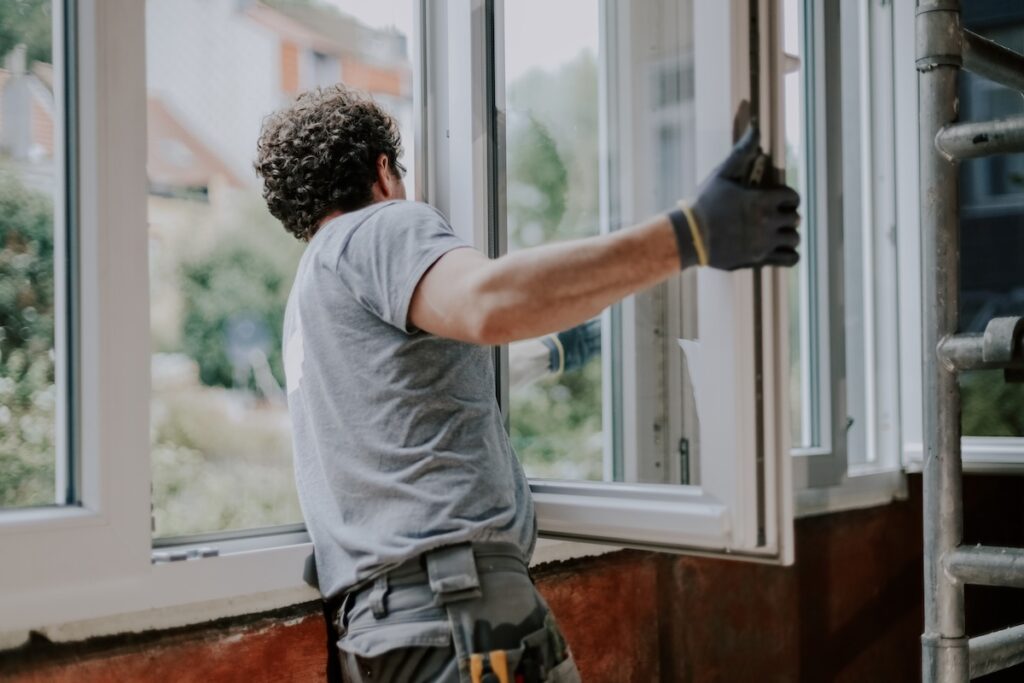
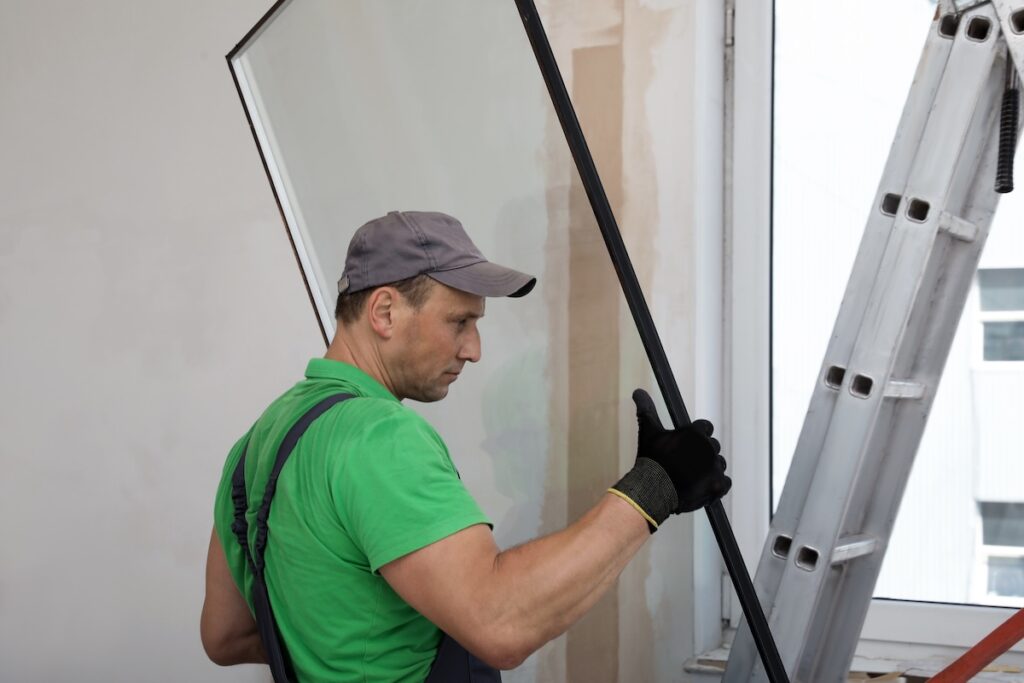
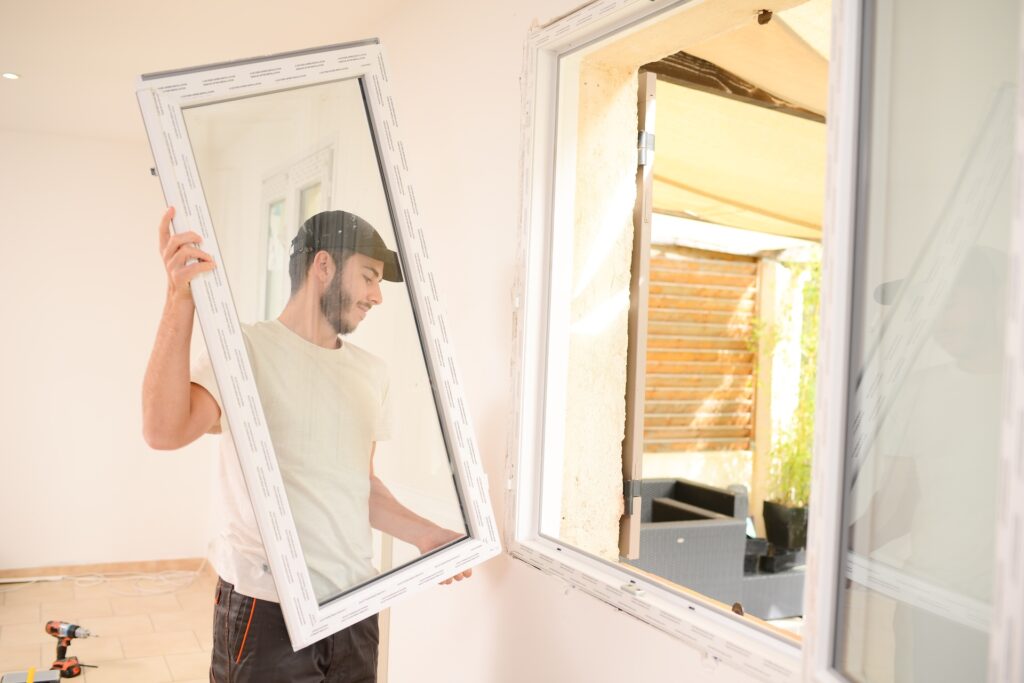
Window installer repairing a window frame inside a home

How do I pick the best window and door installation company?

Before choosing a window installer, look for specifics. A reliable company should be able to explain what they are measuring, what product they recommend, how the old window or door will come out, and what the finished installation should include. A few details can tell you a lot about how the project will go, such as:

Florida home experience

Heat, humidity, heavy rain, strong sun, and storm season can all expose weak points around windows and doors. A poorly sealed window can let in moisture. A door that is not fitted properly can stick, drag, or leave gaps. Over time, those small issues can affect comfort, appearance, and performance.

A company that regularly works on Florida homes should understand how the local climate affects frames, glass, hardware, weatherstripping, thresholds, and exterior openings. That kind of experience matters because the installation has to hold up after the crew leaves.

Window and door specialization

Windows and doors are not simple plug-in products. A replacement window needs the right measurements, frame fit, glass package, sealing, and finish work. An entry door or patio door needs proper alignment, secure hardware, weather protection, and smooth operation. A strong installer should be familiar with:

  • Replacement windows
  • Entry doors
  • Patio doors
  • Sliding glass doors
  • Impact and non-impact options
  • Energy-efficient glass
  • Hardware and finish choices

If a company handles these projects every day, the estimate usually feels more specific. They can talk through the opening, the product, the installation steps, and the finished result without guessing.

Clear product explanations

Most homeowners do not start this process knowing the difference between frame materials, glass packages, impact ratings, door styles, or hardware options. The installer should explain the choices in plain language and help you understand what is worth considering for your home.

For example, some homes need stronger storm protection. Others need better energy performance, a new front entry look, or a more affordable replacement plan. The right company should be able to explain those tradeoffs without turning the appointment into a sales presentation.

A quote with real details

A low number does not help much if the quote is vague. Before you compare prices, make sure each estimate tells you what product is being installed, what labor is included, whether removal and cleanup are part of the scope, and what warranty applies.

A detailed quote makes it much easier to spot the difference between a complete installation and a bare-bones offer.
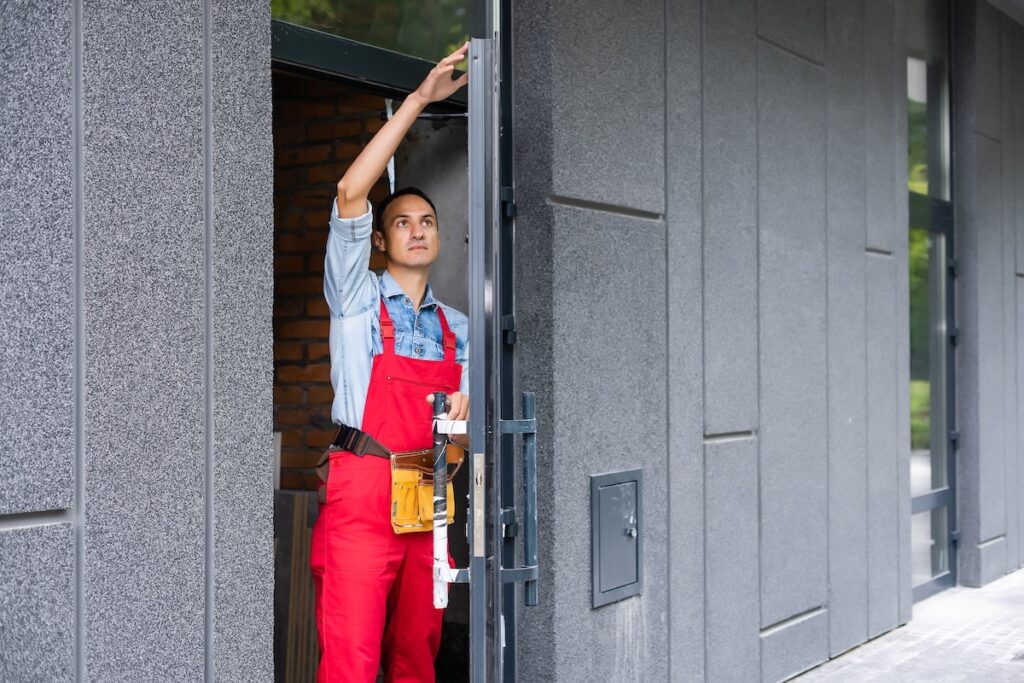
 Handyman installing a lock on an entrance door with a screwdriver

What are the top window and door installation companies in Tampa?

Homeowners in the area have several options, from local specialists to national retailers. The right choice usually depends on the type of project, the products being installed, the level of guidance you need, and how familiar the company is with Florida homes and weather conditions.

1. The Window Depot

The Window Depot is the strongest choice for Tampa homeowners who want a local window and door installation company with real construction knowledge behind it. Family-owned and operated, the business has served the Tampa Bay area since 2009 and was founded by engineers Giacomo DiBerardino and Lorenzo Forlini.

Homeowners can turn to The Window Depot for impact and non-impact resistant vinyl windows, entry doors, patio doors, sliding glass doors, and other exterior products. Their biggest strength is the mix of premium products, professional installation, local construction experience, and a no-pressure sales process.

The Window Depot is also a strong fit for homeowners who want help comparing vinyl replacement windows and exterior door styles for Tampa homes in one place. Instead of treating windows and doors as separate decisions, their team can help homeowners think through the full exterior upgrade.

2. DuraSash Windows

DuraSash Windows is a local company homeowners may see while researching replacement windows in Tampa. Its advantage is focus. For projects centered mostly on window upgrades, especially PGT products, DuraSash may feel relevant because the brand is closely tied to replacement window conversations.

The setback is the scope. If the project includes both windows and exterior doors, or if the homeowner wants guidance across several product categories, The Window Depot offers a more complete path from product selection to installation.

3. Bay Glass & Window

Bay Glass & Window is another Tampa Bay-area option, especially for homeowners whose project involves glass-related work along with windows or doors. Its advantage is service range, since glass, windows, doors, and related exterior projects can overlap depending on the home.

The possible drawback is focus. A company that handles a broader mix of glass and glazing work may not feel as tailored for homeowners who want a dedicated residential window-and-door replacement process.

4. Home Depot

Home Depot is the familiar big-box option. Its biggest advantage is convenience. Homeowners who already shop there may like the recognizable brand, broad product access, and retail-style process.

The tradeoff is specialization. Windows and doors are only one part of a much larger home improvement operation. That can work for homeowners who prefer a retail-driven process, but it may feel less personal than working with a local company that focuses on exterior remodeling every day.

5. Lowe’s

Lowe’s fills a similar role for homeowners who want to browse window and door products through a national retailer. It can be useful for comparing common product categories, door styles, window options, and familiar brands in one place.

The possible drawback is that a retail-driven process may not offer the same level of local guidance as a dedicated exterior remodeling company. For projects involving replacement windows, entry doors, patio doors, or impact options, The Window Depot offers a more focused experience.

Hand pressing a five-star customer review rating on a digital screen

How can you check whether an installer is reputable?

A company’s website shows how it wants to present itself. Reviews, BBB information, licensing, insurance, and consumer-protection guidance help you see how that company performs when real homeowners are involved.

Customer reviews

Customer reviews are most useful when they describe the actual installation, not just the final opinion. A short “great company” review is nice, but a review that mentions the crew, the timeline, the cleanup, the communication, or how the windows and doors looked after installation tells you much more.

Pay attention to the details customers repeat. If several people mention clean work, careful installers, clear updates, and smooth operation after the project, that is a good sign. If the same complaints keep showing up, such as missed appointments, messy work, leaks, drafts, or slow follow-up, those patterns are worth taking seriously.

BBB information

BBB information can help homeowners check ratings, complaint history, and company responses. It should not be the only deciding factor, but it can be useful when several Tampa window and door companies look similar on the surface.

For example, The Window Depot’s A+ BBB rating is a helpful trust signal for homeowners who want a local installer with an established reputation. BBB research can also show whether a business responds professionally when something needs attention after the sale.

Licensing and insurance

Before hiring any installer, ask whether they are properly licensed and insured for the work being performed. Hillsborough County’s contractor licensing resources are a useful place to start when checking local contractor requirements and records.

Insurance matters because window and door installation happens on your property. If a crew is removing old units, carrying heavy products, or working around exterior openings, you want to know there is appropriate coverage in place.

Pressure tactics and payment concerns

A reputable installer should be clear about pricing, payment terms, timeline, and scope of work. If someone pushes for a rushed signature, avoids putting details in writing, or asks for unusual payment arrangements, slow down before moving forward.

The FTC’s home improvement scam warning signs are helpful for spotting risky sales behavior, especially when a project involves a large deposit, urgent discount, or vague promises.
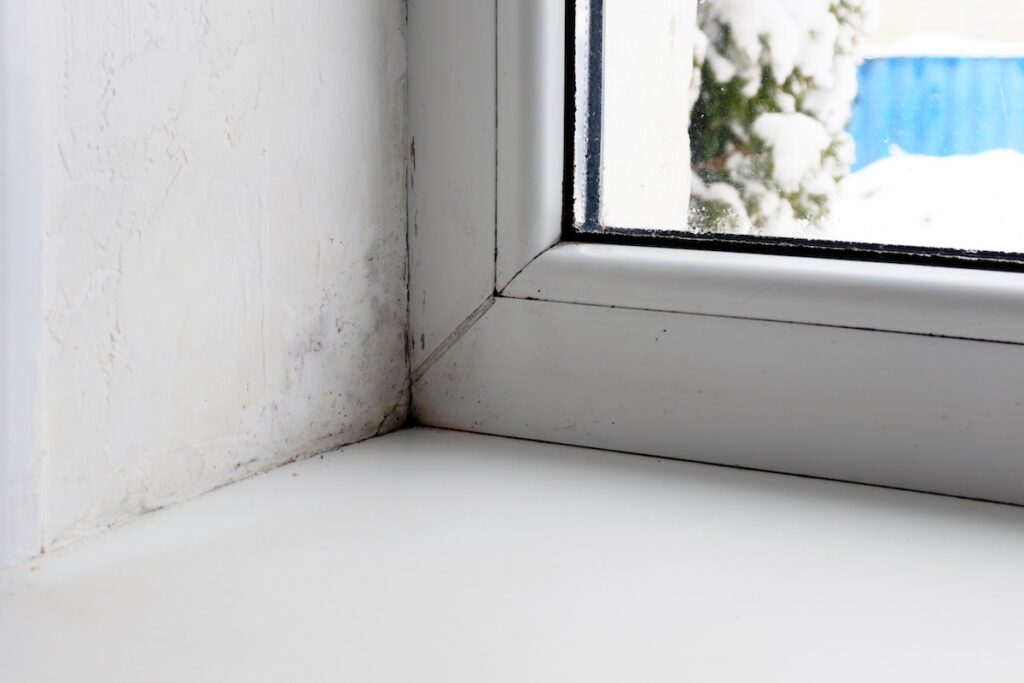
Mold and dampness around the corner of a plastic window frame

What should you ask a door and window installation company?

The estimate should give you specific answers. If the company only gives broad claims about quality, pricing, or “great products,” you may still be missing the details that affect the finished project.

Product questions

Start with the product being recommended. You want to know exactly what the installer is quoting and why it fits your home. Ask:

  • Which window and door brands do you install?
  • Do you offer both impact and non-impact options?
  • What frame materials are available?
  • Which glass packages make sense for Tampa homes?
  • Do you install entry doors and patio doors?
  • What colors, finishes, and hardware options are available?

If storm protection is part of your project, ask which manufacturers the company recommends and how they compare when choosing exterior storm window brands for your home.

If you are looking at impact products, understanding how PGT window options differ can help you compare frame styles, glass packages, and product lines more clearly.

Installation questions

Once the product is clear, ask how the work will be handled. This is where you learn whether the company has an organized process before anything is ordered.

Ask:

  • Who measures the openings?
  • Who performs the installation?
  • Are installers employees, subcontractors, or independent installers?
  • Will old products be removed and hauled away?
  • How will the home be protected during installation?
  • What happens if hidden damage is found?
  • How long does installation usually take?

The answers should be practical. A good company should be able to explain how installation day works without making you chase basic details.

Warranty questions

Warranty details should be clear before you sign. A product warranty is not always the same as a workmanship warranty, so ask how both are handled.

Ask:

  • What manufacturer warranty is included?
  • What workmanship warranty is included?
  • Who do I call if there is a leak, draft, or operation issue?
  • Are labor and service calls covered?
  • Is warranty information included in writing?
  • Does the warranty change based on the product?

This is especially important for windows and doors because installation problems can show up later as drafts, water intrusion, sticking, or hardware issues.
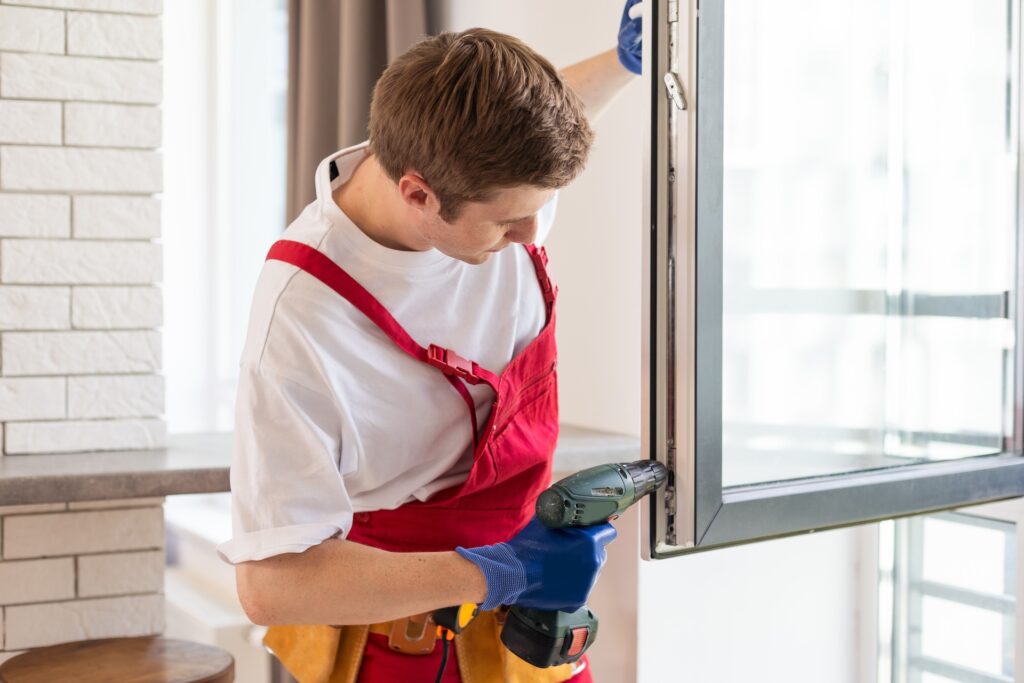
Worker installing a plastic window indoors in a close-up view

How do you know if an installation quote is detailed enough?

The written quote should put the important details in one place. If the estimate is too vague, it becomes difficult to compare companies fairly.

The exact product being installed

The estimate should identify the product clearly. For windows, that may include the brand, series, frame material, glass package, window style, color, grid pattern, and hardware. For doors, it may include door type, material, finish, glass inserts, swing direction, hardware, threshold, and weatherstripping.

A quote that only says “replacement windows” or “new door” is not detailed enough. If cost is a concern, this is where how replacement choices affect overall pricing becomes important, because frame material, glass package, style, and project scope can all change the final number.

What the installation includes

The quote should explain the actual scope of work. That may mean removal of old units, disposal, installation, sealing, trim work, cleanup, and a final walkthrough.

This is where two estimates can look similar at first but mean very different things. One may include finishing and cleanup, while another may leave those details unclear.

Timing, permits, and payment terms

Ask when products will be ordered, how long they may take to arrive, and when installation can begin. The quote should also explain deposits, financing, final payment, and what happens if the schedule changes.

For some projects, it also helps to confirm whether permits or inspections are part of the process. Hillsborough County keeps building permits and records in one place, which can be useful if you want to check permit status or related project information.

How can you tell if your windows were installed correctly?

Once the work is finished, check the installation before you mentally close out the project. You do not need to be a contractor to notice the basics.

Operation and fit

Open, close, and lock each window. The sash should move smoothly without sticking, scraping, or feeling loose. Locks should line up correctly, and the window should sit evenly in the opening.

If the window is hard to operate right after installation, ask the installer to check it before they leave. Small adjustments are easier to handle during the final walkthrough than after the project is closed out.

Sealing and finishing work

Look around the interior and exterior edges of the window. Caulk lines should be neat and continuous, trim should sit cleanly, and there should not be obvious gaps around the frame.

After the next heavy rain, check for moisture, staining, drafts, or whistling sounds. Those can be signs that the window needs to be inspected or adjusted.

Cleanup and walkthrough

A professional installer should remove old materials, clean the work area, and walk you through the finished installation. Before the crew leaves, ask for warranty details, care instructions, and the best contact for service questions.

This final walkthrough is also a good time to confirm that each window matches the quote, works properly, and looks finished from both inside and outside the home.

Who should you call for window and door installation in Tampa?

If your windows or doors are outdated, difficult to use, drafty, or simply no longer match the look you want for your home, The Window Depot can help you take the next step with confidence.

We offer premium replacement windows, exterior doors, patio doors, impact and non-impact products, and professional installation for homeowners throughout the Tampa Bay area. Our team will help you compare options, understand the differences, and choose products that fit the way your home needs to function.

Since 2009, our family-owned company has focused on giving homeowners a clean, professional, and no-pressure experience. Contact us today to get your free window and door quote.

Fort Myers Window and Door Permits Made Simple

Table of contents:

    1. Do I need a permit to replace windows or doors in Fort Myers?
    2. What does the Lee County permit process usually include?
    3. When does a replacement project become more complicated?
    4. What documents are usually needed for a window or door permit?
    5. Why do product approval numbers matter for replacement windows and doors?
    6. What are wind load and pressure calculations?
    7. How long does the permitting process usually take?
    8. How much does a window or door permit cost in Lee County?
    9. What happens after the windows or doors are installed?
    10. Who can help make window and door permitting easier in Fort Myers?

Approved document stamp on paperwork over a laptop keyboard

Key takeaways:

  • Lee County usually requires permits for window and door replacements.
  • Permits help confirm approved products, proper installation, and inspection.
  • Product approvals and pressure ratings matter for each opening.
  • Missing documents or engineering needs can slow permit approval.
  • Local contractors can simplify permits, inspections, and project timing.
Summary: Fort Myers homeowners should understand how impact windows protect their property before hurricane season arrives. This guide explains when approved opening protection may be required, how wind-borne debris regions and local code affect replacement projects, and why impact-rated windows can often replace shutters when properly approved and installed. It also covers year-round benefits like security, noise reduction, energy efficiency, UV protection, and comfort. Homeowners will learn how to identify impact-rated products, review insurance documentation, plan installation timelines, compare warranties and financing, and choose a trusted Fort Myers window and door company for storm-ready upgrades.

Planning window or door replacements in Fort Myers? A permit is almost always required in Lee County, even for size-for-size replacements. And while we know permits are not the most exciting part of choosing new windows or doors, the permit step still matters. It helps confirm that your products are approved for your home, the installation is handled properly, and the work is inspected after completion. 

That’s why The Window Depot Fort Myers put together this guide to explain what homeowners should expect during window and door replacement, what Lee County typically requires, and how the right window and door company can make the process much easier. Keep reading to learn more!

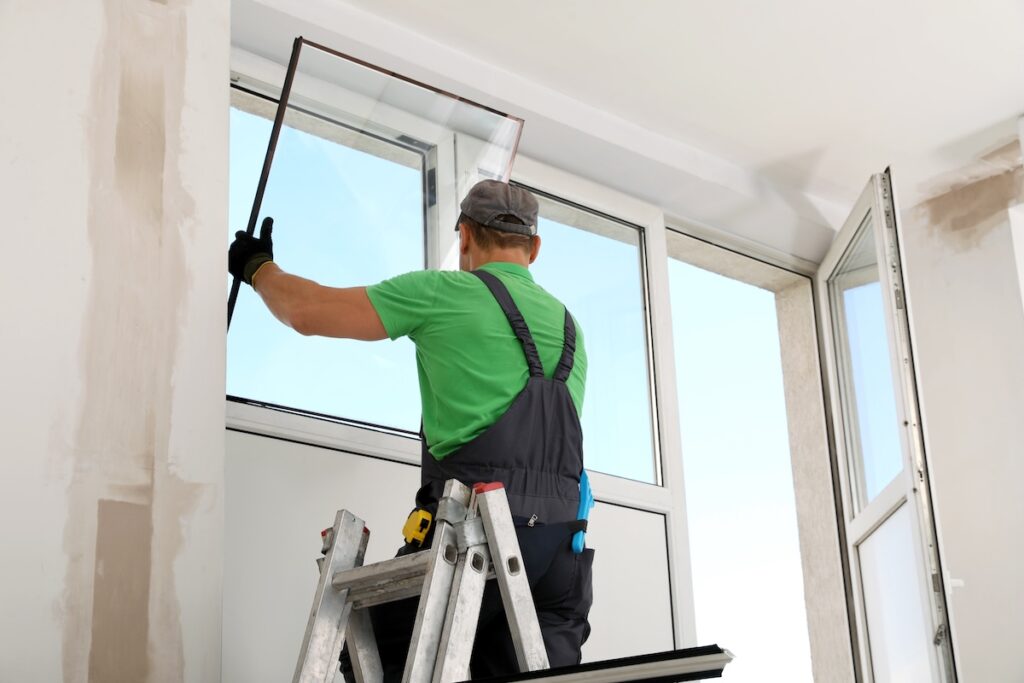
Installer carrying a replacement window frame inside a home

Do I need a permit to replace windows or doors in Fort Myers?

In most cases, yes. If you are replacing windows, entry doors, patio doors, or shutters in Fort Myers or Lee County, you should expect a permit to be part of the project. That includes many size-for-size replacements, even when the new product is going into the same opening as the old one.

That might feel surprising at first. After all, if the opening is not changing, why does the county need to be involved? The simple answer is that windows and doors are a big part of how your home handles wind, rain, heat, and storm conditions. Lee County wants to make sure the products being installed are approved for the property and that the finished work is inspected properly.

Why permits matter for exterior openings

Windows and doors do more than make a home look finished. They are part of the home’s exterior shell. When a storm rolls in, those openings can take on pressure, wind-driven rain, and flying debris. That is why the permit process looks at the product, the opening, and the installation together.


In plain English, the county wants to know:

  • Is this product approved for this kind of project?
  • Does it meet the pressure requirements for the opening?
  • Are the affected windows or doors clearly shown?
  • Is a licensed contractor handling the work?
  • Will the project be inspected after installation?

It isn’t just paperwork. It’s a way to make sure the project is documented and completed the right way.

Why size-for-size replacements still usually need approval

A size-for-size replacement is usually simpler than changing the size or shape of an opening. But simpler does not mean permit-free.

Even when the new window or door fits into the same opening, the county still needs to review the product, opening, and documentation. If the project changes the size, shape, or type of opening, the review may become more involved.

What homeowners should confirm before starting

Before you order products or schedule installation, it helps to get a few things clear. Which openings are being replaced? Are the new products impact-rated? Is the work truly size-for-size? Who is handling the permit? Will inspections be scheduled after installation?

This is also a natural time to think about whether impact windows make sense before hurricane season, especially if your current windows are older, difficult to operate, or dependent on seasonal panels.

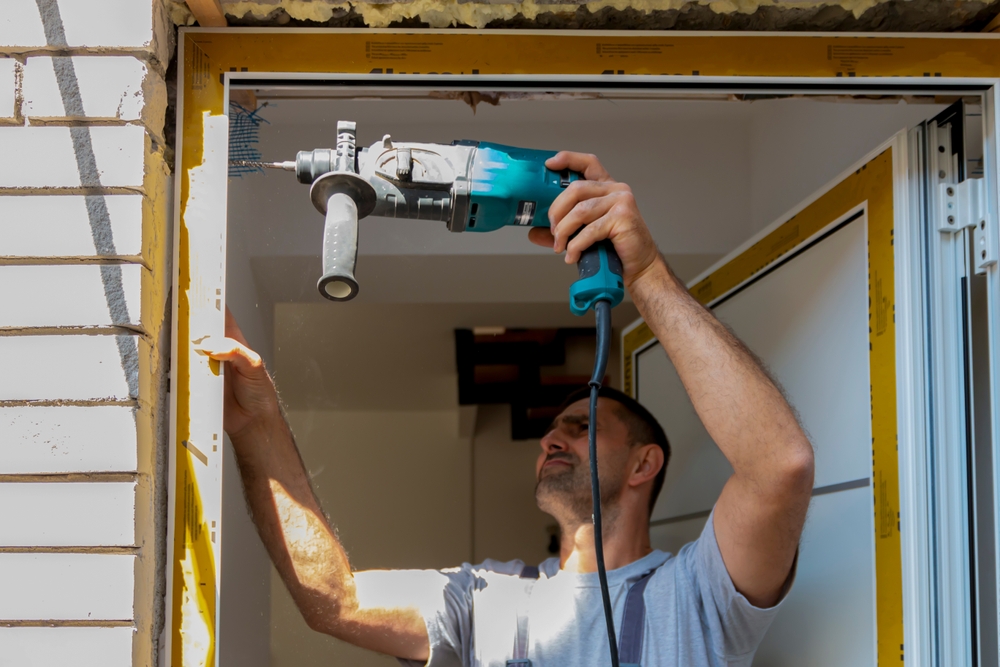
Door installer drilling into an exterior door frame during replacement installation

What does the Lee County permit process usually include?

The Lee County permit process for window and door replacement projects usually includes permit application paperwork, product approval documentation, and project details. Depending on the scope of work, additional information such as engineering documents or alteration plans may also be required.

Once you know a permit is part of the project, the next question is usually, “Okay, what do they actually need?” The good news is that the process is manageable when the right information is gathered up front.

For most homeowners, the paperwork looks more intimidating than it actually is. The permit process usually comes down to a few core details: what type of work is being done, which products are being installed, where those products are going, and whether the project needs any additional review.

What does that process look like?

Permit type

Residential Exterior Openings (Windows/Doors/Shutters) permit through the Lee County Department of Community Development.

This permit is generally used for exterior opening projects, including window, door, and shutter replacements. Instead of treating the project like a full remodel, this category focuses on the openings being updated and the products being installed.

When it’s needed

Any replacement of windows, entry doors, or shutters. Size-for-size replacements are simpler; changes in size or type may require additional engineering or an alteration permit.

That means even a straightforward replacement may still need county review. If the new window or door fits the same opening, the process is often simpler. If the opening changes, the project may require more documentation before approval.

Key requirements:

  • Product approval numbers, such as Florida Product Approval or Miami-Dade NOA.
  • Floor plan showing affected openings.
  • Wind load/pressure calculations, with Lee County offering “mastered pressures” for many standard jobs to simplify this.
  • Proof of ownership and contractor licensing info.

Each of these items helps tell the county the same basic story: what is being replaced, where it is being installed, and whether the product is appropriate for the home. When these pieces are organized correctly from the beginning, the permit process is easier to follow and less likely to stall over missing information.

Why local experience helps

Permitting is much easier when the contractor understands the local process. A company that works with Lee County projects regularly knows what details need to be organized before submission, which questions may come up, and how to help homeowners avoid preventable delays.

That is especially important if you are replacing multiple windows or doors, choosing impact-rated products, or trying to schedule work before storm season gets busy.

Calendar and hourglass representing repair or installation timeline

When does a replacement project become more complicated?

Not every window or door project is reviewed the same way. A simple door replacement, for example, is usually easier to permit than a project that changes the size, structure, or type of the original opening. And that same logic applies to window replacement.

This is where homeowners sometimes get surprised. The window may look like “just a replacement,” but if the work changes the opening or product type, the county may need more information before approving the project.

What makes size-for-size replacement simpler?

A size-for-size replacement usually means the new window or door fits into the existing opening without changing the size or structure around it. In many cases, this can make the permit process more straightforward because the reviewer is looking at a defined replacement rather than a structural change.

That does not mean the permit is optional. It simply means the project may not require the same level of engineering or alteration review as a more complex change.

When might engineering or additional review be needed?

Engineering or additional review may be needed when the work involves a change in opening size, a different opening type, a glass conversion, a tall building, or a product that requires more specific documentation.

In homeowner terms, if the project changes how the opening works or how the structure is affected, the permit process may need a closer look. That is not necessarily a problem, but it does mean you want the paperwork handled correctly from the beginning.

Why can the product type affect the process?

Product type matters because windows and doors are not all approved the same way. Impact-rated vinyl windows, non-impact windows, entry doors, patio doors, and shutters can all raise different review questions.

Code-compliant products like impact windows can help make the paperwork easier to organize because key documentation is already available. Before the permit package is prepared, The Window Depot Fort Myers can help homeowners narrow down approved window and door options that make sense for their home, but also Lee County requirements.

Stack of documents and folders on a wooden table

What documents are usually needed for a window or door permit?

A window or door permit usually requires more than a basic project description. Lee County needs enough information to understand the product, the opening, and the project scope.

This section is where the permit checklist becomes more practical. Instead of thinking about the application as one big stack of paperwork, it helps to look at what each item is meant to show.

Product approval numbers

Product approval numbers help show that the window or door has recognized documentation for specific performance standards. That documentation may include details like product type, maximum size, design pressure, impact rating, and approved installation conditions.

For homeowners, the simple version is this: the county wants proof that the product being installed is appropriate for the job. Homeowners can also look up approved products through the state approval system, though most people prefer having their contractor handle that part.

Floor plan showing affected openings

The permit package usually needs a floor plan that identifies which windows, doors, or shutters are part of the project. The openings should be labeled or numbered so the product information can be matched to the correct location.

Helpful details may include:

  • Windows being replaced
  • Entry doors included in the project
  • Patio door locations
  • Openings that will use impact-rated products
  • Different product approval numbers for specific openings
  • Egress-related openings that may need closer review

This keeps the project organized and helps avoid confusion during review and inspection.

Wind load or pressure information

Wind load or pressure information helps show that the product is rated appropriately for the opening. In simple terms, pressure information helps confirm the product can handle the forces expected for that location and installation.

If a project cannot use mastered pressures, individual calculations or signed-and-sealed engineering may be required.

Ownership and contractor details

The county needs to know who owns the property and who is responsible for the work. Licensed contractors also need to have the proper information registered and available for the application.

A complete permit package gives the county a clearer picture of the project before installation begins. That can make review easier and help prevent unnecessary back-and-forth.

Why do product approval numbers matter for replacement windows and doors?

Product approval numbers matter because they connect the product to tested, documented performance standards. They help show that a window or door is not just attractive or well-made, but approved for the type of work being performed.

For homeowners, this is one of the easiest places to get lost in technical language. The important thing to understand is that product approvals help the county verify whether the submitted product belongs in the project.

What Florida Product Approval means

Florida Product Approval is a state-level system used to identify products that have been reviewed for applicable building standards. If a product has a Florida Product Approval number, that number can be used as part of the permit documentation.

Homeowners don’t need to become product approval experts. Still, it helps to know that the number is part of how the county checks whether the product meets applicable requirements.

What a Miami-Dade NOA means

A Miami-Dade NOA is another type of product approval documentation. It’s often discussed in Florida because Miami-Dade has strict approval standards for many building products.

Even when a home is not in Miami-Dade County, a Miami-Dade NOA can still be used to document product approval when applicable. Your contractor can help confirm which documentation is being submitted for your specific windows or doors.

Why approved products can make permitting easier

Approved products can make the process easier because the key performance information is already documented. That may include product type, design pressure, maximum tested size, impact-resistant status, and applicable test standards. 

This is one reason The Window Depot Fort Myers often recommends code-compliant products. When product documentation is clear, the permit process tends to be easier to organize.

Trees bending in strong wind during a storm

What are wind load and pressure calculations?

Wind load and pressure calculations are some of the more technical parts of window and door permitting. They help determine whether a product is appropriate for the specific opening and the wind conditions that apply to the property.

That may sound like engineering jargon, but the homeowner-friendly version is simple: the county wants to know that each window or door is rated for the forces it may face once installed.

What design pressure means

Design pressure describes how much force a product is rated to handle. Windows and doors need to resist both positive and negative pressure. Positive pressure pushes against the opening, while negative pressure can pull against it.

That matters during severe weather because wind does not only push in one direction. Openings can experience changing forces, especially during strong storms.

How mastered pressures can simplify standard jobs

Mastered pressures can help simplify the process when a project fits within standard conditions.

In simpler terms, Lee County may already have pressure information available for many common replacement situations. If your project fits that path, the application may be easier to prepare. If not, additional calculations may be needed.

Why the right rating matters for each opening

Not every opening on a home is exactly the same. Size, location, exposure, and product type can all affect what rating is needed. A large patio door may have different requirements than a smaller bathroom window.

The product needs to line up with the standards behind approval, not just what appears strong. That is why the permit package connects product approvals, pressure information, and opening details.

How long does the permitting process usually take?

Permit timing depends on how simple the project is and how complete the application is when it is submitted. A straightforward replacement can often move more smoothly than a project that changes opening sizes, uses several product types, or needs additional review.

For many basic replacement projects, the permit process may take about 1–2 weeks when the application is straightforward, though more complex projects can take longer. That range gives homeowners a helpful starting point, but it should not be treated as a guaranteed approval window. County workload, missing documents, engineering needs, or project changes can all affect timing.

Why simple permits can move faster

Simple permits usually move faster because the county has less to untangle. If the project is size-for-size, the products have clear approval documentation, the affected openings are labeled correctly, and the contractor information is already in order, the application is easier to review.

That does not mean approval is automatic. It just means the reviewer can more easily connect the dots between the product, the opening, and the work being done.

What can slow the timeline down?

Several things can slow the process, especially when details are missing or the project does not fit the simplest replacement path. Common issues include:

  • Missing product approval numbers
  • Floor plans that do not clearly show affected openings
  • Opening labels that do not match the product information
  • Product details that do not fit the project
  • Changes to opening size or type
  • Projects that need individual engineering
  • Missing proof of ownership or contractor licensing information

Most delays are not dramatic. They are usually small paperwork issues that create extra back-and-forth. Still, when you are trying to schedule installation before storm season, even a small delay can be frustrating.

Why early planning helps before storm season

Waiting until the last minute can make everything feel tighter. Products need to be selected, permit details need to be prepared, installation needs to be scheduled, and inspections still have to happen after the work is complete.

If your project is connected to hurricane preparation, early planning gives you more breathing room. It also gives your contractor time to confirm product approvals, review opening details, and prepare the permit package before schedules get busier.

How much does a window or door permit cost in Lee County?

Permit costs are usually not the biggest part of a window or door replacement project, but they still deserve a spot in the budget. For many basic replacement projects, fees may start around $110 for window or door replacements, though that number should be treated as a starting point rather than a guaranteed total.

The final amount can depend on the project details, the number of openings, the type of products being installed, and whether the permit requires extra review. Florida also has rules around how permit fees are handled, so homeowners should expect permit costs to be tied to the local review and inspection process, not just a flat paperwork charge.

Installer inspecting a door frame during installation

Why permit fees can vary

Permit fees can vary because not every project asks the county to review the same amount of information. A size-for-size replacement with approved products and a clear floor plan may be more straightforward. A project involving several openings, special product documentation, engineering, or changes to the existing structure may involve more review.

That does not mean the project is a problem. It simply means the permit cost should be viewed as part of the full scope, not as a one-size-fits-all number.

What may add cost to a project?

Several factors can affect the overall budget, including:

  • Number of windows or doors being replaced
  • Product type and approval documentation
  • Impact-rated glass or specialty features
  • Engineering or signed-and-sealed calculations
  • Installation conditions around the existing openings
  • Inspection or reinspection needs

Product choice also matters. Impact-rated windows, patio doors, entry doors, frame materials, glass packages, hardware, and installation conditions can all influence the final project cost.

Why should permitting be part of the full budget?

It is better to think about permitting as part of the project from the beginning instead of treating it like a surprise line item later. Homeowners should consider product costs, installation, permit fees, inspection needs, and project complexity together.

If you are still comparing options, it also helps to understand how window replacement costs can change before choosing a final product package.

What happens after the windows or doors are installed?

Once the installation is finished, the project may still need one more important step: inspection. This is where the permit gets properly closed out, and the finished work is reviewed against the approved project documents.

In other words, the job is not only about getting new windows or doors into place. Homeowners also need to schedule inspections after installation to receive their Certificate of Compliance. That final step helps show that the permitted work was completed, reviewed, and approved through the proper process.

Why inspections are part of the process

Inspections help confirm that the approved products were installed correctly and that the completed work matches the permit. For homeowners, this creates a clearer paper trail and helps show that the project was not just finished, but formally reviewed.

That can matter later if you sell the home, need insurance documentation, refinance, or plan future improvements. A closed-out permit is much easier to explain than a project that was completed but never fully documented.

What does a Certificate of Compliance confirm?

A Certificate of Compliance helps show that the permitted work has been completed and approved. For a window or door replacement project, this can confirm that the installation moved through the proper county process.

Think of it as the final “yes, this was reviewed” step. It does not make the project more exciting, but it can make your records cleaner and help prevent loose ends later.

How can homeowners keep the process smoother?

A smoother project usually starts before installation day. The more organized the product selection, paperwork, and inspection scheduling are, the easier it is to avoid delays, confusion, or unfinished permit details later.

Pro tips for a smooth process:

  • Work with a licensed local contractor who handles permitting for you.
  • Choose code-compliant products like PGT impact windows that already carry the necessary approvals.
  • Schedule inspections after installation to receive your Certificate of Compliance.

Those steps may sound simple, but they can make a real difference. When your contractor understands local permitting, helps you choose approved products, and keeps the inspection step on the radar, you are less likely to end up chasing paperwork after the project is finished.

Who can help make window and door permitting easier in Fort Myers?

Skipping permits can lead to failed inspections, fines, or insurance issues later. At The Window Depot Fort Myers – Windows & Doors, we manage the entire permitting process for our Fort Myers and Lee County customers, so you don’t have to worry about the paperwork.

Whether you’re updating an older home near the Caloosahatchee River or planning storm-ready upgrades elsewhere in Lee County, our team can help you choose approved products, prepare for permitting, and move through installation with less stress. Call us and schedule a free consultation today!

Simonton Windows for Florida Homes | A Comprehensive Guide to Styles and Advantages

Simonton Windows are a trusted choice in Florida homes, where intense sun, high humidity, heavy rain, and strong winds demand more from your windows. Their impact-resistant glass, reinforced vinyl frames, and advanced insulation technology ensure long-lasting protection and comfort without compromising on style.

What truly sets Simonton apart is its wide range of window styles. From awning and casement to bow and double-hung, each style comes with unique features and advantages designed to enhance both the look and functionality of your home.

Interested in knowing more about Simonton Windows? In this guide, we’ll explore the most popular Simonton window styles and break down their key benefits so that you can choose the perfect option for your Florida property.

Types of Simonton Windows

Here’s a detailed guide to the main types of Simonton Windows and when to use them:

1. Bay Window

Bay windows project outward from your home, creating extra interior space. They’re ideal for expanding dining areas and installing built-in storage or window seats. Their angled design captures more natural light from multiple directions, brightening up larger rooms like living rooms or master bedrooms.

2. Bow Window

Bow windows feature a gentle curve, offering panoramic outdoor views and a sense of openness. They work well in rooms where you want to maximize daylight. This type of window is perfect for small home offices, sunrooms, or any space where a sweeping view and elegant design are desired.

3. Casement Window

Casement windows open outward using a crank mechanism, offering excellent ventilation and effortless use. Their outward swing makes them well-suited for kitchens, bathrooms, and areas where space is limited indoors. The snug seal when closed also helps minimize drafts and improve overall efficiency.

4. Awning Window

Awning windows are hinged at the top and open outward, which keeps rain out while letting in fresh air. They’re great for placing above sinks, countertops, or even basements, providing light and airflow without compromising privacy or security.

5. Double-Hung Window

Double-hung windows allow both the upper and lower sashes to move, providing flexible ventilation and better control of airflow. Their inward-tilting sashes make cleaning easy, even on upper floors. This versatile, classic style works well in bedrooms, living rooms, hallways, and any space that benefits from controlled ventilation and a traditional look.

6. Single-Hung Window

Single-hung windows have a fixed upper sash and a movable lower sash. They’re cost-effective, easy to maintain, and suitable for areas where full airflow isn’t essential but light and view are still needed, like bathrooms, closets, or utility rooms.

7. Sliding Window

Sliding windows operate horizontally, making them smooth, space-efficient, and easy to use. They’re excellent for modern homes, rooms with limited interior clearance, or wide openings where unobstructed views and large panes of glass are desirable.

8. Garden Window

A garden window projects outward and has glass on three sides, creating a small greenhouse-like space inside your home. This design allows sunlight to reach from multiple angles, which helps indoor plants grow better. Many homeowners use this window style to keep fresh herbs within easy reach or to display decorative items without using countertop space. 

9. Picture Window

A picture window is a large, fixed pane of glass designed to give you an uninterrupted view of the outdoors. Since it doesn’t open, it has fewer moving parts, which makes it highly energy-efficient and helps reduce drafts. This type of window is often chosen to highlight scenery or bring a stronger visual connection to the outdoor landscape. 

10. Specialty Shapes

Specialty shape windows come in unique designs like circles, arches, and triangles, styles you won’t find in standard window options. They’re often chosen to highlight architectural details or to fit spaces where regular windows don’t work. You’ll usually see them in staircases, high walls, entryways, or rooms with tall ceilings, where they enhance the overall design of the space.

Benefits of Installing Simonton Windows For Your Home

Benefits of Installing Simonton Windows For Your Home

1. Keep Your Home Comfortable Year-Round

Simonton Windows are built with first-generation vinyl, ProSolar® Low-E glass, and optional argon gas. What does that mean for you? Your home stays cooler in the summer, warmer in the winter, and your furniture and interiors are protected from fading because over 70% of harmful UV rays are blocked. These window models are ENERGY STAR® certified, which helps you save on energy bills.

2. Stand Strong Against Florida’s Weather

Florida storms test every window, but Simonton rises to the challenge. Reinforced frames, tight corner seals, and impact-resistant glass keep your windows secure against high winds, flying debris, and heavy rain. Coastal models like StormBreaker Plus® meet Missile D and HVHZ standards, offering extra protection when you need it most.

3. Lock in Safety

You know, one of the best things about Simonton Windows is how secure they are. With SafePoint® Max or Max+ laminated glass and tamper-resistant locks, these windows really protect your home. It’s like having an extra layer of safety against break-ins and even storm damage.

4. Hassle-Free Maintenance

Honestly, you don’t have to worry about peeling, painting, or constant repairs anymore. The vinyl frames are super easy to clean, just soap and water, and many models even come with lifetime warranties on glass, hardware, and screens.

5. Windows That Fit Your Home

Simonton gives you lots of options, different shapes, colors, and ways the windows open. So whether you want more sunlight, a quieter space, or a window that perfectly fits a tricky spot, they’ve got you covered.

6. Quality You Can Count On

And the best part? These windows are AAMA Gold Label Certified and backed by over 75 years of experience. You’re not just buying windows, you’re getting something reliable, durable, and made to last.

Conclusion

Simonton Windows windows are a smart investment for any Florida home. Installing them means making your home more comfortable, protecting your family, and lowering long-term costs. For the best deals, you can come to The Windows Depot. We offer professional installation, a wide selection of window styles, and expert guidance to help you pick the perfect fit for your home. Our competitive pricing and best offers ensure you get great value with every purchase.

Don’t wait to enjoy the advantages of Simonton Windows. Contact The Windows Depot today to schedule a consultation and choose the ideal windows for your home.

Why Homeowners Are Upgrading to PGT WinGuard Windows

Florida’s coastal location makes it highly prone to hurricanes and severe weather, requiring homes to be built with strong and impact-resistant windows. Year after year of storm damage, shattered glass, and costly repairs, people here have had it enough and are now looking for durable window solutions that can truly withstand each hurricane season. Even the traditional windows marketed as “impact-resistant” often fail to provide long-term protection against windborne debris and the pressure changes that accompany powerful storms. Therefore, this constant frustration has led many homeowners to look for durable and advanced alternatives like PGT WinGuard windows,, which have emerged as the trusted solution for homes across Florida and beyond. To understand more about them in detail, let’s take a look at this blog below!

What Are PGT WinGuard Windows?

Designed and manufactured by PGT Innovations, one of the nation’s leading window and door manufacturers, PGT WinGuard windows are a premium line of impact-resistant windows. These windows are built specifically for hurricane-prone regions. The hallmark of WinGuard products is their ability to remain intact even when the outer glass layer breaks, because the inner laminate holds the fragments together, maintaining the window’s structural integrity.
Other than storm protection, PGT impact windows are engineered to increase safety, energy efficiency, and home comfort. Each window undergoes extensive testing to meet, and often exceed, the strict Miami-Dade County and Florida Building Code standards, which are recognized as among the toughest in the world. In fact, PGT played a key role in developing these stringent hurricane-impact standards after Hurricane Andrew, helping to shape modern building codes that prioritize resilience and homeowner safety.

Homeowners Are Upgrading

Key Reasons Homeowners Are Upgrading

1. Superior Hurricane Protection

The most prominent reason homeowners are investing in PGT windows is their exceptional hurricane resistance. These windows are designed to withstand the impact of windborne debris and extreme pressures caused by Category 5 hurricanes. The laminated glass, typically composed of two panes bonded with a clear interlayer, prevents the window from shattering inward, thus keeping the building envelope sealed. This helps prevent rapid changes in indoor air pressure, which are often responsible for roof and structural damage during storms. Hence, it also protects against any injury caused by broken glass or debris intrusion.

2. Enhanced Energy Efficiency

Another reason to have your home installed with PGT windows in Florida is improved energy efficiency year-round. The laminated and insulated glass options help to reduce heat transfer, keeping interiors cooler in the summer and warmer in the winter. Homeowners who deal with sweltering temperatures and high humidity can benefit from these windows, which can significantly reduce air conditioning costs. Many models are ENERGY STAR® certified, featuring Low-E (low-emissivity) coatings that reflect infrared light, reducing solar heat gain without compromising natural light.

3. Noise Reduction for a Quieter Home

A quieter home is another benefit of PGT WinGuard. All credit goes to the same laminated glass that protects against hurricanes and also blocks and absorbs sound vibrations, significantly reducing outside noise. This makes sure that if you live near a busy street, an airport, or in a vibrant coastal neighborhood, these windows will create a quieter indoor environment. Homeowners who have already upgraded often note that noise levels drop dramatically after installation, improving sleep quality and overall comfort.

4. Improved Curb Appeal and Customization Options

Available in a wide range of frame materials, finishes, colors, and styles, like sleek modern casements to classic single-hung designs, these windows allow homeowners to improve the appearance of their property without sacrificing performance. The customizable options help increase curb appeal and raise property value, especially in coastal real estate markets where hurricane protection is a desirable feature. Therefore, it is often seen as a reason for long-term investment from a homeowner’s point of view.

5. Insurance Premium Discounts

Many insurance companies in Florida offer premium discounts for homes equipped with impact-resistant windows like PGT WinGuard. Because these windows significantly reduce the risk of storm-related damage, insurers view them as a risk mitigation measure. Over time, the savings on homeowner’s insurance can offset part of the initial installation cost, making this upgrade financially appealing in the long run.

6. Long-Term Durability

Unlike traditional windows that require frequent repair or replacement after severe weather, PGT WinGuard windows are built to last. The combination of corrosion-resistant frames, laminated glass, and high-performance seals ensures durability even in humid, salt-air environments, which are very common along Florida’s coastline. These windows resist degradation from moisture, salt spray, and UV exposure more effectively than standard glass and wood frame materials. Over time, this means fewer leaks, less warping or rust, and lower maintenance costs for homeowners.

7. Compliance and Peace of Mind

PGT WinGuard windows meet or exceed some of the most stringent building codes in the country, including Miami-Dade County and the Florida Building Code (FBC). This compliance provides homeowners with the assurance that their windows have been tested and proven to handle the difficult storm conditions. Alongside, it continuously refines its products through extensive research and testing, making sure that each new generation of WinGuard windows provides even greater strength and energy efficiency.

Conclusion

Every home needs protection against such severe weather, and that’s exactly what PGT WinGuard windows deliver. It is not simply an upgrade but has become a practical necessity. But now you must be thinking where to get the right help for the upgradation process. Don’t worry, all you have to do is reach out to The Window Depot, and the rest will be handled by us. With high-quality products, professional installation, and satisfied customer service, our expert team handles it all. And, we are proud to be one of the largest PGT WinGuard window dealers in the entire state of Florida. Contact us today for more information! 

The Top 5 Myths About Impact Windows and Doors: What Homeowners Need to Know

Impact windows and doors are a smart upgrade for modern homes, offering reliable protection, energy savings, and long-term value. They provide extra benefits in coastal areas prone to storms, but their advantages extend to homes everywhere, quietly increasing safety and property value. Still, many homeowners hesitate to invest because of common myths about cost, design, and necessity. The truth is, impact doors and windows aren’t just for coastal homes; they do more than you might expect. Here, we’ll explore the top five myths about impact windows and doors and explain what homeowners need to know before making this important home improvement decision.

myths

Top 5 Myths About Impact Windows and Doors

Impact Windows Are Only for Coastal Homes

A common misconception is that impact doors and windows are only necessary for coastal homes. However, with unpredictable weather patterns and rising storm intensity across the U.S., that’s no longer true. The National Oceanic and Atmospheric Administration (NOAA) reported a record-breaking 28 weather and climate disasters in 2023, each causing over $1 billion in damages, many occurring far inland. In such scenarios, impact-resistant windows offer year-round protection for homes in nearly any region, not just hurricane-prone zones.

They Don’t Make a Significant Difference During Storms

Some homeowners believe that standard windows can handle storms as effectively, but the reality is very different. Impact windows & doors use laminated glass layers and reinforced frames that can resist winds up to 200 mph. If the outer glass cracks, the inner interlayer holds the glass in place and stops dangerous shards from spreading. This protects the structural integrity of the home and provides essential safety during severe weather.

Stylish Design Is Not Possible with Impact Windows and Doors

Older models of impact windows and doors might have appeared bulky, but modern designs combine strength and aesthetics. Today, manufacturers offer slim, stylish frames in aluminum, vinyl, wood, and composite materials that suit both contemporary and traditional architecture. Homeowners can even choose custom finishes, tints, and shapes, and the windows remain highly durable.

Impact Windows and Doors Are Too Expensive

It’s true that impact windows in Florida cost more upfront than standard ones, but they deliver long-term financial benefits. Their advanced insulation minimizes heat transfer, keeping indoor temperatures stable and reducing the need for constant heating or air conditioning, ultimately cutting energy bills significantly. They also increase your home’s resale value, often delivering one of the best returns among home upgrades. According to Remodeling Magazine’s 2024 Cost vs. Value Report, window replacements can recoup up to 70% of their cost, with impact windowsfrequently outperforming standard models thanks to their extra durability and safety benefits.

Installation Is Complicated and Time-Consuming

Another misconception is that installation takes a long time or causes too much disruption. In reality, professional installation usually takes one to three days, depending on the size of the home. Experienced installers make sure the windows fit properly and have a tight seal, which provides homeowners with long-term protection. Once installed, impact windows & doors need very little maintenance and last 20 to 30 years.

Benefits of Impact Windows and Doors

Strong Protection Against Severe Weather

Impact windows and doors are designed to resist flying debris and extreme pressure changes during storms. The combination of laminated glass layers and sturdy frames provides superior strength compared with standard windows. This design helps prevent damage to the home’s interior and reduces the need for costly repairs after storms. 

Improved Energy Efficiency

You might think impact windows in Florida are only useful during storms, but they actually help all year round. Their insulated and laminated glass keeps indoor temperatures more stable by reducing heat transfer. A study found that homes with impact windows used 24% less energy compared to pre-installation levels, which saves money on bills and makes the home more efficient.

Reduced Noise and UV Protection

Thicker, laminated glass reduces outside noise, so your rooms stay quieter and more comfortable. On top of that, impact glass blocks up to 99% of harmful UV rays. This protects your furniture, floors, and artwork from fading or discoloration, helps prevent damage to fabrics and wood, and even reduces the risk of sun-related health issues for your family. 

Increased Security

Impact windows and doors are engineered with laminated glass, which consists of two or more panes of glass bonded together with a tough polyvinyl butyral (PVB) or SGP interlayer. This interlayer holds the glass together if it’s struck, preventing it from shattering into sharp pieces and making it extremely difficult to break.

impact window and doors

How to Choose the Right Impact Windows and Doors

Check for Proper Certification

Always choose products approved by the Miami-Dade County or Florida Building Code (FBC). These certifications confirm that the windows meet strict testing standards for hurricane-level conditions.

Choose the Right Glass Type

Laminated glass provides superior impact resistance, while insulated laminated glass adds an extra layer of thermal efficiency and helps reduce outside noise. Your choice should depend on your local climate and how much comfort you want indoors.

Pick the Perfect Window Frame Material

Different materials offer different advantages:

  • Aluminum frames: They have slim frames that allow for larger glass areas, letting in more natural light and giving your home a sleek, open appearance.
  • Vinyl frames: Excellent for saving energy, and are easy to care for. They don’t rust or peel, and also help keep your home cool in summer and warm in winter.
  • Wood or composite frames:Offers reduction from outside noise. They also provide solid insulation and are made from eco-friendly materials.

Check Energy Efficiency Ratings

Look for the Energy Star and NFRC labels. A low U-factor and low Solar Heat Gain Coefficient (SHGC) indicate better insulation and solar control, which contribute to energy savings.

Review Warranties and Maintenance Requirements

Choose manufacturers that offer warranties of 10 years or more and clear maintenance guidelines. Solid warranties reflect the brand’s confidence in product performance and longevity.

Conclusion

After reading this blog, you know the important points to consider when choosing impact windows. Now, if you are looking to buy quality materials, choose trusted companies like The Window Depot. Family-owned since 2009,  we offer high-quality impact windows, doors, and professional installation, all backed by strong warranties. For any query, you can call us at  (813) 901-5555.

What is the Least Expensive Way to Replace Windows in Tampa, FL

Executive Summary: Replacing windows in Tampa doesn’t require a substantial budget. The cheapest path combines the right frame material, standard sizes, strategic timing, and state-specific rebates. This guide covers when to repair vs. replace, the most affordable window types, how to save across the project, and which tax credits and financing options keep upfront costs manageable.

Key Takeaways

  • Vinyl single-hung windows are typically the most affordable option.
  • Replacement almost always beats repair for long-term cost savings and performance.
  • Standard sizes and retrofit installation cut costs more than any single material choice.
  • Florida offers multiple rebate programs that can offset thousands in upfront costs.
  • Getting three to four quotes and timing installation during off-peak months lowers labor costs.

Window replacement is one of the most cost-variable home improvement projects a Tampa homeowner can take on. The same project can run reasonably or balloon into five figures depending on a handful of decisions: frame material, window style, sizing approach, installation timeline, and which Florida-specific rebate programs the homeowner uses. Most homeowners overpay because they don’t know which levers actually move the price. If you’re researching top-rated window replacement services in Tampa, FL, this guide breaks down the cheapest paths, the savings strategies that work, and the incentive programs worth tapping.

Is it cheaper to repair or replace old windows in Tampa?

Replacement is almost always the smarter long-term investment for homeowners. Repair can work for isolated minor issues, but for aging, underperforming, or storm-vulnerable windows, replacement delivers energy savings, storm protection, and resale value that repairs simply can’t match.

When is replacement the smarter move?

Replacement is the right call for most homes with windows more than 10 or 15 years old, especially if those windows show any of the following signs:

  • Multiple windows show wear at the same time
  • Frames are rotting, warped, or structurally compromised
  • Your current windows are single-pane or poorly insulated, driving up energy bills
  • You want to upgrade to impact-rated glass for storm protection
  • You’re planning a home sale within the next few years
  • Condensation forms between panes (seal failure)
  • Windows stick, leak, or fail to open and close properly

Homeowners with older single-pane units often spend more on repeated repairs and high cooling bills than a full replacement would have cost upfront. Repair may address one symptom, but it doesn’t solve the underlying performance gap. Old windows keep leaking energy, letting in noise, and falling short on storm protection until they’re replaced.

The long-term cost picture: repair vs. replacement

Repair carries a lower upfront cost but a short lifespan and no energy benefit. Replacement carries a higher upfront price but delivers decades of service life, measurable energy savings, and potential insurance credits. Over a typical 20-year window of ownership, replacement almost always wins on total cost.

Table 1: Window repair vs. replacement comparison

Factor Repair Replacement
Upfront cost Low Moderate to high
Expected lifespan added A few years at most Two to four decades for vinyl
Energy bill impact Minimal Significant long-term reduction
Storm protection upgrade Not possible Available with impact-rated glass
Insurance benefit None Possible wind mitigation credit if impact-rated
Resale value impact None One of the top home-improvement ROIs
Permit needed Usually no Yes, in Tampa / Hillsborough County

Which window types are the least expensive in Tampa?

The cheapest window types are vinyl-framed single-hung and picture windows. However, material, operation, and size all affect price. The lowest-cost combinations use standard sizes, simple operation, and energy-efficient vinyl frames that handle local humidity without warping or rotting.

Vinyl windows

Among the most affordable options, vinyl windows offer excellent insulation that helps reduce energy bills and minimize air leaks. Vinyl frames resist moisture, fading, and warping, which matters in a humid, sun-heavy climate. They never need painting, sealing, or staining, so upkeep costs stay near zero over decades of use. 

Standard vinyl double-hung windows are among the most affordable options, with single-hung units typically running lower still. Vinyl comes in a wide range of colors and styles, letting you match the home’s look without paying custom premiums.

Aluminum windows

Aluminum windows are strong and long-lasting. The aluminum outside protects against the sun, rain, and other weather. These windows cost more than vinyl at first, but they need very little painting or repairs, which saves money over time. Their solid build and weather resistance also make them last longer, giving good value for the price.

Single-hung windows

Single-hung windows are the cheapest operable style to replace. Only the bottom sash moves, which means fewer moving parts, fewer potential repair points, and lower manufacturing and labor costs. The simpler design also reduces air leak risk over time. Single-hung windows are easy to clean, use energy-efficient materials, and require minimal upkeep, which makes them a reliable workhorse for bedrooms, living rooms, and general use throughout the home.

Single-hung vs. double-hung cost comparison

Double-hung windows cost noticeably more than comparable single-hung units because both sashes operate, requiring additional hardware, balance systems, and labor. Double-hung units do offer better ventilation control and easier cleaning through tilt-in sashes, but the price difference adds up quickly across a full house. For cost-conscious homeowners, single-hung is the clear value choice unless a specific room benefits from the airflow flexibility of a double-hung unit.

Which combination offers the best value?

The cheapest-per-window option for most homes combines vinyl frames with single-hung operation in standard sizes. Picture windows (fixed, non-operable) come in at similar or lower price points but only work in spaces where airflow isn’t needed. Most homes end up with a mix depending on each opening’s purpose.

Table 2: Best-value window combinations for Tampa homes

Combination Typical price tier Best for
Vinyl single-hung Lowest Bedrooms, general use, most rooms
Vinyl picture Lowest Living rooms, scenic views, fixed openings
Vinyl horizontal roller Low to moderate Wide openings, modern homes
Vinyl double-hung Moderate Upper floors, easier cleaning priority
Aluminum single-hung Moderate to high Oversized openings, high-wind zones

Quick summary:For homeowners prioritizing cost, the clear winning combination is vinyl frame, single-hung or picture operation, and standard sizes. Upgrade to double-hung or aluminum only where a specific opening justifies the extra spend.

Looking to replace your windows affordably in Tampa?

Upgrade your windows with confidence! Call Us Today for Expert Assistance today and see how easy it is to transform your home.

Call for Free Consultation

Why should you replace or upgrade your windows?

New windows deliver measurable savings, safety, and comfort improvements that justify the upfront spend over time. Even the cheapest replacement option brings six distinct benefits compared to leaving old, underperforming windows in place.

1. Enhanced energy efficiency

Modern energy-efficient windows minimize air leaks and improve insulation. This helps maintain consistent indoor temperatures, reducing heating and cooling costs while lowering your carbon footprint. ENERGY STAR-certified windows deliver meaningful annual savings on cooling and heating bills, with the largest gains coming from homes replacing single-pane units. Over a 20-year lifespan, those savings typically recover most or all of the upfront cost.

2. Improved curb appeal

New windows refresh your home’s exterior instantly. With customizable designs, colors, and styles, upgraded windows enhance aesthetic appeal and drive measurable property value gains. Window replacement consistently ranks among the top home-improvement projects for return on investment, often returning a significant share of the project cost in resale value.

3. Noise reduction

Double or triple-glazed windows block outside noise, creating a peaceful indoor environment. This is especially beneficial for homes near highways, busy neighborhoods, or commercial areas. Laminated glass adds even more noise dampening, making impact-rated windows a strong choice for homeowners near airports or busy streets.

4. Enhanced safety & security

Modern windows use stronger materials and advanced locking mechanisms, improving your home’s safety and offering peace of mind. Multi-point locks, reinforced frames, and laminated glass all resist forced entry far better than older single-pane units. For homes in hurricane-prone zones, impact-rated glass adds an additional layer of storm protection.

5. Reduced maintenance

Vinyl or composite windows require minimal upkeep, resisting warping, rotting, and fading. This saves time and money over the long term compared to older wood frames that need painting, sealing, or replacement every few years. Vinyl frames typically last two to four decades with near-zero maintenance.

6. Long-term ROI and property value impact

The cheapest window replacement pays for itself through a combination of energy savings, reduced repair costs, and resale value. On a 15-to-20-year timeline, most homeowners recover a substantial share of the upfront cost through utility savings alone, plus additional value at resale. Impact-rated windows can also qualify for homeowners’ insurance wind mitigation credits, further shortening the payback period.

How to save money on window replacement?

Replacing windows in Tampa doesn’t have to be expensive. With careful planning and smart decisions, you can achieve high-quality results while staying within your budget. Here are six practical strategies to save.

  1. Choose the right window material: Considering the material’s lifespan and upkeep helps avoid extra expenses later. 
    1. Vinyl and aluminum windows often offer the best balance of durability and low maintenance. 
    2. Vinyl windows are resistant to moisture and sun damage, making them ideal for Tampa’s humid climate. 
    3. Aluminum windows provide structural strength for larger openings, reducing the need for frequent repairs or replacements.
  2. Compare double-pane vs. triple-pane windows: Consider your home’s energy needs and budget to determine which option maximizes long-term savings.
    1. Triple-pane windows provide extra insulation and noise reduction. 
    2. Double-pane options are more affordable and still energy-efficient, often meeting local energy codes to help maintain lower utility bills. 
    3. Triple-pane windows can further improve comfort by reducing drafts and enhancing indoor temperature stability. 
  3. Opt for standard sizes & smart installation: Standard-size windows cost less than custom options and are widely available. 
    1. Mix full replacements with window inserts, or repair and retrofit existing windows instead of replacing everything. 
    2. Keeping current openings and using standard dimensions reduces labor, material costs, and installation time. 
    3. Using standard sizes also speeds up installation and ensures faster availability of replacement units. 
    4. Maintain existing openings to avoid structural changes, which can add both time and expense to your project.
  4. Take advantage of rebates & tax credits: These programs make upgrades more affordable for homeowners.
    1. Local utility rebates, ENERGY STAR incentives, and energy tax credits can lower the upfront cost of energy-efficient windows. 
    2. Check with local energy providers for seasonal or limited-time incentives that can further reduce costs. 
    3. Combining multiple programs may provide substantial savings on your overall Tampa window replacement project.
  5. Get multiple quotes & negotiate: When you look for replacement windows, request quotes from several contractors. 
    1. Compare prices, warranties, and installation quality. 
    2. Comparing multiple quotes gives you leverage to negotiate better deals and helps identify companies that offer value-added services such as extended warranties or maintenance plans, all without compromising on materials or service. 
    3. Don’t hesitate to ask contractors for detailed breakdowns of materials and labor to make informed decisions.
  6. Plan installation timing: Choosing the right moment for your project can make a big difference.
    1. Scheduling projects during slower months, such as late fall or winter, can reduce labor costs and allow more flexible appointment times. 
    2. Some companies also offer seasonal discounts that further lower expenses. 
    3. Off-peak scheduling can also mean quicker project completion and more attention from the installation team. 
    4. Planning around local weather patterns helps protect your windows during installation and ensures better long-term performance.

What rebates & tax credits are available for window replacement in Florida? 

Florida homeowners can significantly reduce window replacement costs through a combination of federal tax credits, state grant programs, local utility rebates, and contractor financing. Stacking these incentives can offset thousands of dollars in upfront costs.

Federal tax credits for energy-efficient windows

The federal Energy Efficient Home Improvement Credit offers a tax credit worth 30 percent of the cost of qualifying energy-efficient windows, subject to an annual cap for windows and skylights specifically. To qualify, the windows must meet ENERGY STAR Most Efficient criteria for the climate zone. Keep all receipts and manufacturer certifications. You’ll submit them with IRS Form 5695 when filing taxes.

The My Safe Florida Home Program

Florida’s My Safe Florida Home Program provides matching grants to help homeowners protect their properties from hurricane damage. The program matches two dollars for every one dollar spent on approved improvements, up to a capped amount of state funding per home. Approved improvements include impact-rated windows, reinforced exterior doors, roof upgrades, and hurricane shutters. The program is available to owners of any site-built single-family residential property in Florida. Eligibility requires a free wind mitigation inspection through the program, and funds are awarded on a first-come, first-served basis.

Tampa Electric (TECO) & utility rebates

Tampa Electric offers a per-square-foot rebate for replacing old windows with energy-efficient units that meet specific Solar Heat Gain Coefficient and U-factor thresholds. For a typical Tampa home replacing several windows, that adds up to meaningful direct utility savings. Check with TECO’s current residential energy efficiency program for updated eligibility, as rebate amounts and requirements are updated periodically.

Financing options to spread out the upfront cost

Several financing options help spread replacement costs over time, lowering the barrier to starting your project. Interest-free financing is common among local Tampa window companies and is the most cost-effective option when available. PACE (Property Assessed Clean Energy) financing lets you finance energy-efficient upgrades through your property tax bill with no money down. Manufacturer-backed financing through brands like Simonton and PGT also exists but typically carries standard interest rates.

Table 3: Florida window replacement financing comparison

Financing option Upfront cost Interest rate Notes
Interest-free contractor financing $0 down possible 0% if paid within the promotional period Best option when available
PACE financing None required Varies, tied to tax bill Attaches to property, not borrower
Manufacturer financing Varies Standard rates Available through specific brands
Home equity loan or HELOC Low to none Market rates May offer tax-deductible interest
Personal loan None Higher rates Fastest approval, flexible terms

Quick summary: The cheapest financing path combines interest-free contractor financing with federal tax credits, My Safe Florida Home matching grants (if impact-rated), and TECO utility rebates. Always check eligibility timelines. Some programs have annual caps and close once funded.

Keep copies of all receipts, certifications, permits, and inspection reports. Most incentive programs require documentation at application or tax filing, and missing paperwork is the most common reason homeowners lose eligibility for rebates they’d otherwise qualify for.

What’s one of the best window replacement companies near me in Tampa, FL?

The Window Depot has been Tampa Bay’s family-owned window replacement specialist since 2009, backed by an A+ BBB rating and a team with over 60 years of combined residential construction experience. Whether your home sits just off Bayshore Boulevard or tucks into the suburbs further inland, our showrooms make it easy for homeowners across Pinellas and Hillsborough counties to see Simonton, PGT, and Custom Window Systems products side by side before committing. 

We also offer interest-free financing on qualifying purchases, so starting your project doesn’t require a large upfront payment. Call today to schedule a free in-home consultation and get a quote built around your home, your budget, and your timeline.

Seasonal Maintenance Tips for Windows and Doors in Florida’s Climate

Living in Florida means dealing with high humidity, intense rain, strong winds, and the occasional hurricane threat. These weather conditions can take a toll on the windows and doors of your house, causing issues like frame warping, seal deterioration, corrosion from salt air, and difficulty in opening or closing over time. Therefore, without consistent upkeep, such problems can lead to costly repairs and reduced energy efficiency.

That’s why regular maintenance is essential to keep your home comfortable year-round. In this blog, we’ll explore how often you need to maintain your windows and doors and the key tasks to focus on during each season.

Why Seasonal Window and Door Maintenance Matters in Florida?

Due to Florida’s subtropical and coastal climate, unique challenges can be seen that make seasonal upkeep more critical than in other states. High humidity can cause wood frames to swell or warp, while salt-laden air accelerates corrosion on metal components. Whereas the summer’s intense sun can cause seals to dry out, and hurricane season puts locks, hinges, and weather stripping to the test. Neglecting these maintenance risks not only causes issues like peeling paint or cloudy glass but also functional problems such as drafts, water intrusion, and compromised security. So, it’s advisable to take a proactive, season-based approach that will allow homeowners to extend the lifespan of their high-quality windows and doors, improving both safety and energy efficiency.

Seasonal Maintenance Tips 

1. Spring Maintenance Tips

  • Inspect the weather stripping: Regularly inspect the weather stripping for cracks or signs of deterioration, as damaged strips can allow moisture and pests to enter. Promptly replacing any worn sections helps maintain a tight, effective seal. 
  • Lubricate hinges and locks: Always lubricate the locks and hinges with a silicone-based lubricant to prevent rust, and it also ensures easy movement before the humid months arrive.
  • Check glass clarity: To check the clarity of the glass, wipe down both sides to remove pollen buildup, which can corrode the glass if left untreated. 

2. Summer Maintenance Tips

  • Examine seals: During the summer, inspect your window and door seals, particularly around the frames, to prevent water intrusion during storms. And if you find one, reapply exterior-grade sealant where gaps appear.
  • Inspect hurricane shutters or impact glass: Summer is generally referred to as Florida’s storm season; thus, protecting windows and doors during this period is crucial. One can look for cracks, rust, or hardware issues, and make sure they close securely before the season’s peak storms arrive.
  • Tighten hardware before it becomes a problem: Due to heat expansion and contraction, it can cause screws, locks, and hinges to loosen. Therefore a quick check can prevent these future malfunctions.
  • Don’t let moisture linger: Wipe or drain excess water from tracks, especially on sliding doors that are exposed to rain, to prevent mold and mildew growth.

3. Fall Maintenance Tips

  • Refreshing your wooden frames now pays off later: Make sure to clean and repaint the wooden frames to shield against cracking or fading caused by summer sun, by using UV-resistant paint or sealant.
  • Could pests be damaging your home? Check for termites or carpenter ants in wooden sills and frames, especially before cooler weather arrives.
  • Test lock alignment: As Florida transitions from the peak of summer heat into milder autumn weather, fluctuating temperatures can cause your doors and windows to expand or contract slightly. Therefore, during this time, test lock alignment should be maintained to ensure smooth operation, as seasonal shifts can make locking difficult. 
  • Don’t forget the weep holes: Vacuum or brush them as well to drain out the excessive rainwater effectively during sudden showers.

4. Winter Maintenance Tips (Florida-style)

  • Check for drafts: Around the windows and doors, check for drafts that can make interiors uncomfortable on cooler nights. Replace the ones that are damaged or use draft stoppers to maintain comfort.
  • Salt air can be sneaky.   Florida’s winter brings cooler breezes but also carries salt air, especially in coastal areas. Wiping down glass and metal frames with a vinegar-water mix will help to prevent corrosion from salt buildup.
  • Inspect glass for hairline cracks: Even mild winter temperature swings between day and night can create hairline cracks in glass. Inspect closely and address any damage before it spreads.
  • Test sliding door rollers: Seasonal humidity changes can affect the door rollers. Test for smooth gliding and replace the ones that stick or wobble to keep doors working effortlessly year-round.

When to Call a Professional

While many seasonal maintenance tasks are easy for homeowners, some issues require professional attention, such as persistent water leaks even after replacing seals or windows and doors becoming increasingly difficult to operate despite regular cleaning and lubrication. These problems often indicate hidden frame damage, warped components, or improper installation that can’t be fixed without specialized tools and expertise. In such cases, hiring a professional is essential, as they can accurately diagnose issues, test for air leaks, and recommend energy-efficient upgrades to ensure Florida’s windows and doors remain secure and fully functional.

Looking for expert help for your window and door maintenance? Contact The Window Depot today to schedule a consultation and ensure your home stays protected all year long. Our team specializes in delivering tailored solutions that enhance both the durability and appearance of your property. With high-quality products, professional installation, and unmatched customer service, we make it easy to keep your home’s windows and doors performing at their best season after season.

Top 10 Impact/Hurricane Window Manufacturers At The Window Depot

Table of contents:

    1. What should Florida homeowners look for in an impact window manufacturer?
    2. What do Florida approvals, Miami-Dade NOA, and HVHZ ratings mean?
    3. How do energy efficiency ratings compare between impact window brands?
    4. Industry-Leading Impact Window and Door Manufacturers
    5. What company makes the best impact windows?
    6. Why does professional installation matter as much as the brand?
    7. What questions should homeowners ask before choosing impact windows?
    8. Where can I find the highest quality hurricane-proof window manufacturers near me in Florida?

Close-up of laminated impact glass panels in black metal frames

Key takeaways:

  • Choose impact windows by approvals, ratings, and Florida fit.
  • Florida approvals and HVHZ ratings help confirm code compliance.
  • Compare product lines, not just manufacturer names or brands.
  • Energy ratings matter for comfort, heat control, and efficiency.
  • Professional installation is as important as the product itself.
Summary: Selecting impact windows and doors for a Florida home is less about picking the biggest brand and more about finding products that match your wind zone, approval requirements, energy needs, and property style. This guide explains how to compare impact-rated options by looking at Florida code approvals, Miami-Dade and HVHZ standards, laminated glass, frame materials, pressure ratings, and energy-performance details like U-factor and SHGC. It also walks through major manufacturers and exterior brands available through The Window Depot, including PGT, Simonton, CWS, Plastpro, Therma-Tru, ProVia, James Hardie, Mastic, Origin, and CraneBoard, while emphasizing why experienced installation matters just as much as the product itself.

For those living in coastal areas, protecting their homes and businesses is a top priority, and that begins with selecting the right impact-resistant or hurricane-resistant windows and doors. At The Window Depot, we connect you with premium brands known to withstand extreme weather while offering top-tier quality and design. But choosing the right manufacturer is only part of the decision. Florida homeowners also need products that fit their location, code requirements, home style, and installation needs.

This guide rounds up the top 10 impact window, door, and exterior product manufacturers featured at The Window Depot, along with what to know before choosing the right fit for your project. So keep reading to find out more before making your selection.

Homeowner reviewing window paperwork at a table with a laptop

What should Florida homeowners look for in an impact window manufacturer?

The best hurricane impact window brands in Florida usually have more than name recognition. They offer products that are tested for severe weather, designed for Florida’s heat and humidity, and supported by clear documentation. That matters because coastal homes often need more than a nice-looking window. They need products that can help protect openings from wind, debris, rain, heat, and everyday wear.

Before comparing manufacturers, homeowners should look for:

  • Florida Building Code product approvals
  • Miami-Dade NOA or HVHZ approvals when required
  • Impact-resistant laminated glass
  • Strong vinyl or aluminum frame options
  • Design pressure ratings suited to the home
  • ENERGY STAR® or NFRC-rated energy performance
  • Low-E glass, insulated glass, or solar-control options
  • Product warranties and reliable manufacturer support
  • Style options that fit the home’s architecture
  • Professional installation from an experienced local company

Some homeowners search for the “highest quality hurricane-proof windows manufacturers,” but “hurricane-proof” is not the best phrase. No window can promise that a home will be completely protected from every possible storm condition. More accurate terms include impact-rated, hurricane-resistant, storm-rated, and code-approved. Those terms focus on how the product is tested and where it may be approved for use.

Energy efficiency graphic displayed on a laptop screen

What do Florida approvals, Miami-Dade NOA, and HVHZ ratings mean?

Florida Product Approvals, Miami-Dade NOAs, and HVHZ ratings are standards used to evaluate whether windows and doors meet specific performance requirements for Florida’s weather conditions. In simple terms, they help confirm that a product has been reviewed or tested for factors such as wind pressure, impact resistance, and storm-related performance.

If you’ve started comparing impact windows in Florida, you’ve probably seen these terms come up frequently. They can sound a little overwhelming at first, but they’re really there to answer a simple question: is this product approved for the conditions it may face in a particular part of Florida? Since every home and location is different, these approvals help homeowners understand whether a window or door is a good fit for their project, not just whether it looks strong in a brochure.

Here’s what each term means and why it matters when you’re comparing products.

What are Florida product approvals?

Florida has some of the strictest window and door requirements in the country because homes here face intense sun, humidity, wind-driven rain, tropical storms, and hurricanes. That’s why product approval matters. The Florida Building Code product approval system helps homeowners, contractors, and building officials confirm whether a product has been reviewed for use under the code. Homeowners can also check Florida product approval records when reviewing specific products.

What is a Miami-Dade NOA?

Miami-Dade NOA stands for Notice of Acceptance. It is a product approval issued through Miami-Dade County’s Product Control Section. This matters because Miami-Dade and Broward counties make up Florida’s High Velocity Hurricane Zone, often called the HVHZ. Products approved for this zone are tested for some of the state’s most demanding wind and debris conditions. Homeowners can review Miami-Dade product notices to understand how these approvals are handled.

What does HVHZ mean?

HVHZ stands for High Velocity Hurricane Zone. In Florida, this zone applies to Miami-Dade and Broward counties, where windows, doors, and other exterior products may need to meet especially strict wind and debris standards. Even if your home is outside the HVHZ, approvals still matter because your local building department may require specific products based on your location, wind zone, and project type.

In simpler terms, approvals help show where a product can be used and what type of wind, pressure, and impact testing it has passed. A product may be high quality, but it still needs the right approval for your home, your local building department, and your project scope. That’s one reason working with an experienced installer matters. The Window Depot helps homeowners compare products that make sense for Florida homes instead of choosing based on a brand name alone.

Factory worker inspecting large glass panels with a laptop in a warehouse

How do energy efficiency ratings compare between impact window brands?

Impact windows are often chosen for storm protection, but energy performance is a major part of the decision, too. Florida homeowners rely heavily on air conditioning, so the right window can help reduce heat transfer, improve indoor comfort, and make the home feel more consistent throughout the year.

When comparing top-rated impact window brands in Florida, look at the specific product line, not just the manufacturer name. Many manufacturers offer several glass packages, frame materials, and efficiency options, so it helps to know what the ratings are actually measuring. Details like U-factor, Solar Heat Gain Coefficient, and certification standards can make it easier to compare which products qualify and understand how the numbers work before choosing a window for your home.

The simple version is this: U-factor helps measure how well a window insulates, while SHGC helps show how much solar heat passes through the glass. In Florida, homeowners often want products that reduce heat gain, support indoor comfort, and still provide the storm protection their location requires.


Industry-Leading Impact Window and Door Manufacturers

The manufacturers below represent some of the most recognized brands available through The Window Depot. While not every company on this list specializes exclusively in impact windows, each offers products that can contribute to a stronger, more durable, and more attractive home exterior.

From hurricane-rated windows and patio doors to entry doors, siding, and other exterior solutions, these brands are known for quality craftsmanship, product innovation, and performance in demanding environments. Comparing their strengths can help homeowners better understand which products align with their goals, budget, and property requirements.

1. PGT Innovations

PGT Innovations began in 1980 when founders Paul Hostetler and Rod Hershberger sketched a vinyl porch enclosure on a napkin and launched Vinyl Tech in Venice, Florida, with just three employees. The company then rebranded as PGT Innovations in 2016, further strengthening its market presence by integrating notable brands like CGI and WinDoor. PGT is widely recognized as America’s leading manufacturer of impact-resistant windows and doors, specializing in high-performance glazing systems that deliver protection against hurricanes, UV rays, and intrusion, from residential to commercial use.

Its WinGuard® products are especially relevant in Florida because they’re designed for coastal performance, everyday comfort, noise reduction, UV filtration, and long-term storm protection. Through The Window Depot, homeowners can explore PGT WinGuard windows in Tampa with help from a team that understands Florida’s climate, code requirements, and installation details. For a deeper look at the various options, readers can also review how different PGT styles compare before narrowing down the right fit for their home.

2. Simonton Windows and Doors

Founded in 1946 by Fred and Sybil Simonton in Pennsboro, West Virginia, Simonton began manufacturing aluminum windows and later transitioned to vinyl windows in the 1980s, establishing itself as a prominent name in the industry. Acquired by Fortune Brands in 2006, Simonton was later purchased by Ply Gem, now Cornerstone Building Brands, in 2014 while retaining its brand identity and standalone operations.

Today, Simonton operates multiple U.S. manufacturing facilities producing ENERGY STAR-qualified vinyl windows and patio doors, renowned for energy efficiency, durability, and sealed performance. With a reputation built on 75+ years of industry experience, the brand has earned top rankings for overall quality by Builder Magazine and consistently high customer satisfaction ratings. This makes Simonton a practical choice for projects focused on comfort, efficiency, low-maintenance materials, and clean residential style. The Window Depot installs Simonton windows with professional guidance and careful installation.

3. Custom Window Systems, CWS

Custom Window Systems, Inc. (CWS) established itself as a leading designer, manufacturer, and marketer of both impact-resistant and non-impact vinyl and aluminum windows and doors, alongside porch enclosures. Based in Ocala, Florida, the company primarily serves coastal regions with strict building codes, emphasizing protection against high winds, hurricanes, and storms. CWS operates a large Florida manufacturing facility and is known for product lines designed with the state’s demanding weather conditions in mind.

CWS’s signature Hurricane Guard product line offers high-performance impact windows and doors, rigorously tested to meet Florida’s most stringent standards. The brand’s windows and doors are also praised for their energy efficiency, strong frame construction, and installer-friendly features such as pre-drilled fasteners. Because CWS is based in Florida and designs products for demanding coastal conditions, the brand is a natural fit for many West Florida properties. At The Window Depot, we can help you compare CWS windows and doors based on your protection needs, style, and budget.

4. Plastpro

Plastpro introduced the first fiberglass entry door featuring composite stiles and rails, HydroShield® moisture protection, and composite Polyfiber™ (PF) frames, setting a new industry benchmark. While Plastpro is known primarily for entry doors rather than impact windows, it remains an important exterior brand for Florida homeowners who want durable, moisture-resistant openings. In 2005, Plastpro launched a fully automated 250,000-square-foot plant in Ashtabula, Ohio, capable of producing one million finished doors annually, which enables consistent quality and high-volume output.

Its proprietary Polyfiber™ (PF) frames offer superior strength and resistance to moisture, rot, rust, and warping, delivering long-term performance in all climates. They are packed with high-density polyurethane foam for insulation and quietness. Its product lineup includes customizable fiberglass entry doors, impact- and fire-rated models, PF™ frames, decorative glass inserts, and accessories. For homes in humid coastal areas, that moisture resistance can make Plastpro a strong choice for entry door replacement projects.

5. Therma-Tru Doors

Therma-Tru revolutionized residential entryways by introducing the Fiber-Classic fiberglass door in 1983. In 2003, the brand joined Fortune Brands Home & Security, launching landmark fiberglass collections, Classic-Craft® and Smooth-Star®. Recognized as the #1 “Brand Used Most” in 2021–2023 by building professionals, it leads the market in fiberglass and steel exterior door systems, backed by trusted warranties and an advanced Innovation Center in Ohio.

Their systems include decorative sidelights, transoms, and matching hardware. Although Therma-Tru is a door-focused manufacturer, its products can still play an important role in a complete exterior upgrade. Strong entry doors can support curb appeal, energy efficiency, security, and weather resistance when paired with high-quality windows and patio doors.

 Installer fitting a new window pane into a white window frame

6. ProVia

ProVia is a leading manufacturer of premium building envelope products. It has grown from a small door and window fabricator into a nationally respected brand through strategic acquisitions and product innovation. Headquartered in Sugarcreek, Ohio, ProVia operates multiple advanced manufacturing facilities producing fiberglass and steel entry doors, vinyl siding, energy-efficient windows, patio doors, manufactured stone veneer, and even metal roofing.

The company’s standout innovation, the Embarq™ fiberglass entry door, exemplifies its “EnVision” philosophy and ranks among the most energy-efficient doors in the U.S., boasting a U-factor as low as 0.09. As a long-time ENERGY STAR® partner since 2002, ProVia has earned 16 awards from the EPA and DOE, including several “Partner of the Year” honors. ProVia works well for projects where insulation, refined design, and long-term durability are just as important as the first impression at the entryway.

7. James Hardie

As part of a complete exterior upgrade, James Hardie products are made for homeowners looking to improve durability, curb appeal, and long-term performance. James Hardie, founded in 1888, began as a trading company in Melbourne and shifted to building materials in the mid-1980s when it pioneered asbestos-free fiber cement, introducing HardiePlank® siding to the U.S. in the early 1990s. This durable and low-maintenance siding set a new industry standard.

The company now invests around $50 million annually in research and development, resulting in advanced, patented technologies such as HardieZone™ for climate-specific performance and ColorPlus™ for factory-baked, fade-resistant finishes. Operating with a “think global, act local” model, sourcing most materials within a 150-mile radius of its factories and supplying region-appropriate products, James Hardie mirrors the operational strategy of top impact window and door manufacturers who must meet local building codes and environmental demands.

With approximately 5,700 employees worldwide and nearly $3.9 billion in annual revenue, James Hardie demonstrates how combining innovative materials, ongoing R&D, climate-adaptive design, and localized execution enables manufacturers to deliver strong, high-performance exterior products that protect homes and communities against environmental challenges.

8. Mastic Home Exteriors by Ply Gem

Founded in 1932 and now part of Cornerstone Building Brands, Mastic has evolved from its early asphalt siding roots to become a leader in vinyl, aluminum, and steel siding products. Like James Hardie, Mastic is an exterior product manufacturer rather than a hurricane impact window brand. The brand offers over 700 color options and styles that replicate wood lap, cedar shakes, and board-and-batten designs.

Innovations such as SolarDefense UV-resistant technology, DreamColor fade-resistant finishes, and Structure EPS insulated siding, which is up to 10% thicker for enhanced energy efficiency, demonstrate the brand’s commitment to advanced materials science. Mastic products backed by a V.I.P. Limited Lifetime Warranty are engineered for strength, climate resilience, and easy maintenance. When a window or door project is part of a broader exterior refresh, cladding options like Mastic can help improve curb appeal while adding durability and weather-minded performance.

9. Origin

Origin is a globally recognized premium brand specializing in bespoke aluminum doors and windows. It has gained a reputation for revolutionizing the folding-sliding door market with its high-quality, precision-engineered bi-fold systems. With advanced manufacturing facilities in the UK and the U.S., including a major hub in Florida, Origin delivers fully customized glazing solutions tailored to exact size, hardware, and finish requirements. Its product lineup, supported by a 10–20-year warranty, includes award-winning bi-fold doors, OB-36+, OB-49, OB-72, ultra-slim casement windows, sliding doors, and French doors.

Origin’s aluminum frames are lightweight yet strong, just 67% the weight of steel, and engineered for maximum thermal efficiency with features like Aerogel insulation, triple weather seals, and compliance with Florida’s HVHZ hurricane standards. For Florida homeowners, Origin is a strong option when the goal is a larger opening, more natural light, smoother indoor-outdoor living, and premium patio door performance.

10. CraneBoard by Westlake Royal Building Products

CraneBoard by Westlake Royal Building Products is a premium vinyl siding brand, not an impact window manufacturer, but it can be part of a broader exterior remodeling plan. CraneBoard is known for its combination of authentic wood-like appearance, advanced insulation, and long-term durability. Engineered with solid core Neopor® insulation, CraneBoard delivers up to 19% higher R-value than traditional foam sidings. Its Smart Track™ system helps manage moisture, preventing mold and structural damage.

Built to withstand extreme weather, including hurricane-force winds up to 160 mph, CraneBoard siding resists warping, buckling, and fading. As a low-maintenance siding solution, CraneBoard combines sustainable, hazard-free materials with advanced Chromatix® color protection and infrared-reflective technology to prevent fading. Backed by a double lifetime warranty, it remains a trusted choice for homeowners and builders seeking long-lasting, high-performance cladding.

What company makes the best impact windows?

The best impact window manufacturer depends on the home, the location, and the project goals. Florida homeowners may need different products based on coastal exposure, code requirements, frame preferences, energy-efficiency needs, budget, and whether the upgrade includes windows, doors, sliders, or other exterior products.

How leading brands compare

PGT may be a strong choice for homeowners who want a Florida-focused impact window brand with a long reputation in coastal protection. Simonton may be a strong fit for homeowners who want energy-efficient vinyl windows with a clean look and customizable options. CWS may appeal to homeowners who want Florida-made products designed for coastal code requirements.

Why product lines matter more than names

The best decision usually comes from comparing specific product lines, not just manufacturer names. One brand may offer impact-rated glass, non-impact vinyl options, patio doors, or different frame materials depending on the series. That’s why The Window Depot helps homeowners review product options, performance details, style choices, and installation requirements before making a final decision.

Why does professional installation matter as much as the brand?

Even the strongest window or door needs the right installation behind it. In Florida’s hot, humid, storm-prone climate, performance depends on more than the manufacturer’s label. Fit, sealing, fastening, flashing, alignment, and cleanup all affect how well the final project holds up over time.

Construction experience helps guide the project

The Window Depot was founded in 2009 by engineers Giacomo DiBerardino and Lorenzo Forlini, and our team brings more than 60 years of combined residential and commercial construction experience to every project. That background helps us look at more than the product label. We consider how the window or door should fit the opening, how it should perform over time, and what homeowners need to feel confident in their investment.

Workmanship matters after installation day

Our installation work is backed by a lifetime workmanship guarantee, and our no-pressure approach means we take time to explain options clearly. We want homeowners to understand what they are choosing, why it fits their property, and how the final installation supports long-term comfort, protection, and value.

What questions should homeowners ask before choosing impact windows?

Before choosing from Florida’s leading hurricane impact window manufacturers, homeowners should ask practical questions that connect the product to the actual home. The goal is to understand whether the product is approved, whether it fits the home’s performance needs, and whether the installation team can support the project properly.

Questions about approvals and performance

  • Is this product approved for my location?
  • Does it meet Florida Building Code requirements?
  • Is Miami-Dade NOA or HVHZ approval needed for my project?
  • What design pressure rating does this product meet?
  • What glass package does it use?
  • Is the product ENERGY STAR or NFRC rated?

Questions about installation and long-term value

  • What frame material is best for my home?
  • What warranty applies to the product?
  • Who is installing it?
  • Is the installation backed by a workmanship guarantee?
  • Should I upgrade doors or sliders at the same time?

These questions help shift the conversation from “Which brand sounds best?” to “Which product is right for my home?” That is where working with an experienced window and door company can make the process much easier.

Man talking on the phone while working at a laptop in a home office

Where can I find the highest quality hurricane-proof window manufacturers near me in Florida?

Now that you have a clearer list of the top impact window, door, and exterior product manufacturers featured at The Window Depot, it’s easier to understand which options may fit your home, style, and performance needs. But you do not have to compare these brands alone.

At The Window Depot LLC, we help homeowners choose products from trusted manufacturers and pair them with careful, professional installation. Whether you are comparing PGT, Simonton, CWS, premium entry doors, patio doors, or hurricane impact windows for Florida homes, our team can walk you through the options with clear, no-pressure guidance. We proudly serve Tampa, Palm Harbor, and nearby West Florida communities, and we invite you to visit our Palm Harbor showroom to see styles in person, ask questions, and get a free window and door quote.

PGT Impact Windows: A Comprehensive Guide to the Different Types

Executive Summary: PGT impact windows come in 7 styles: single-hung, double-hung, casement, awning, horizontal roller, picture, and architectural, each engineered for Florida’s storm-heavy climate. This guide breaks down every style, how to choose the right one for each room, aluminum vs. vinyl frame tradeoffs, what drives cost, and how to find an authorized dealer or certified installer near you.

Key Takeaways

  • PGT offers seven impact window styles. These range from single-hung to architectural.
  • Every style is customizable by frame finish, material, grid pattern, and glass tint.
  • Aluminum frames handle larger openings; vinyl frames lead on thermal efficiency.
  • Price depends on style, frame, glass upgrades, size, and project scope.
  • An authorized PGT dealer protects your warranty and insurance credits.

As America’s best-selling brand of impact-resistant windows and doors, PGT (Progressive Glass Technology) has led the industry for over 40 years with innovations built to withstand nature’s extremes. Tailored specifically for storm-vulnerable climates, the PGT® Hurricane Impact Windows line has become the gold standard in storm protection, engineered to resist flying debris, intense pressure changes, and driving rain.

The product line focuses on a comprehensive solution combining ultra-durable laminated glass, reinforced frames, advanced water barrier systems, and noise-reducing properties. If you’re weighing options for PGT impact windows installation in Florida, this guide breaks down every style, how each performs, and what to expect from the buying process.

What are the different types of PGT impact windows?

PGT impact windows come in seven distinct styles: single-hung, double-hung, casement, awning, horizontal roller, picture, and architectural. Each one is engineered for a specific use case, as detailed in the table below:

Table 1: PGT impact window styles at a glance

Style Operation Best for Ventilation
Single-hung Bottom sash slides up Bedrooms, general use Moderate
Double-hung Both sashes operable Bedrooms, upper floors High
Casement Side-hinged, cranks open Kitchens, hard-to-reach spots Maximum
Awning Top-hinged, opens outward Bathrooms, rainy climates Moderate
Horizontal roller Sashes slide side to side Wide openings, modern homes High
Picture Fixed, non-operable Living rooms, scenic views None
Architectural Custom-shaped, fixed Accent features, gables None

What customization options are available across PGT impact window types?

PGT lets you customize every style across four dimensions: frame finish, frame material, grid pattern, and glass tint. These options apply regardless of which window style you choose.

  • Frame Finishes: Choose from a variety of frame colors, including bronze, white, black, beige, and clear anodized, to match your home’s interior or exterior.
  • Material Options: Based on your structural and insulation needs, select between strong, durable aluminum or energy-efficient vinyl frames.
  • Grid Patterns: Customize your window design with grid styles like Standard, Brittany, or Prairie for a tailored architectural touch.
  • Glass Tints: Enhance privacy and solar control with glass tint options such as Clear, Bronze, Gray, Green, Solarcool® Bronze, and Graylite® II.

Details for each style

Each PGT impact window style has its own operation, strengths, and ideal use case. The sections below break down what makes each one distinct.

1. Single-hung windows

Single-hung windows have a fixed upper sash and a movable lower sash that slides vertically. This design provides controlled ventilation while maintaining energy efficiency. PGT single-hung windows feature ComfortLift handles for smooth operation and an easy-to-clean exterior. Their multi-chamber frame enhances insulation. Welded sash corners add durability, and a pre-tensioned spiral balance system ensures seamless functionality. Stainless steel assembly screws resist corrosion, making these ideal for coastal and storm-prone environments. Integrated lift rails and low-profile sweep locks offer enhanced security and effortless fingertip operation.

2. Double-hung windows

Double-hung windows have two operable sashes that move independently, giving you versatile ventilation options. The upper sash enables warm air to escape, while the lower sash invites cooler air inside. PGT double-hung windows include multi-chambered frames for superior insulation, welded sash corners for longevity, and ComfortLift handles for easy operation. The tilt-in feature allows for easy maintenance, while a multi-point locking system ensures additional security against strong winds and debris impact due to hurricanes or other extreme weather.

3. Casement windows

Casement windows are hinged on the side and open outward with a crank mechanism, allowing maximum airflow. They come with a handle that folds away when not in use. This design keeps the handle from sticking out or getting in the way of curtains, blinds, or other coverings, keeping the space tidy. PGT casement units come with a multi-point locking system for enhanced security and structural strength. Their washable hinge design allows easy cleaning from the inside, perfect for kitchens and bathrooms. These can be set up as single, double, or triple units, with options to pair them with awning or picture styles for a cohesive look.

4. Awning windows

Awning windows are top-hinged and open outward, creating an awning-like effect that provides airflow even during light rain. They’re perfect for areas requiring continuous airflow, such as bathrooms or kitchens. PGT awning units feature a multi-point locking system for enhanced security and a foldaway handle for seamless operation. Their durable frame construction and storm-rated glass offer superior protection. The integrated hinge design allows for smooth operation and easy maintenance. When combined with casement or picture units, awning styles enhance both functionality and design aesthetics.

5. Horizontal roller windows

Horizontal-roller impact windows, also known as horizontal slider impact windows, feature sashes positioned side by side with a slight overlap, allowing them to slide open horizontally. Built-in tracks at the top and bottom of the frame enable smooth operation. Available in 2- or 3-lite configurations, these windows allow one or two panels to open while maintaining an uninterrupted vertical view and maximizing airflow. Many models feature removable operating panels for easy cleaning. These windows are a contemporary and practical choice for homes, businesses, and retail spaces, combining modern style with reliable impact resistance.

6. Picture windows

Picture windows are large, fixed-pane units that offer a clear, unobstructed view. These windows stay fixed in place and can’t be opened or closed. Because they don’t let air in or out, they help keep your home’s temperature stable. They also allow plenty of natural light to brighten your space. Often used in living rooms and other prominent areas, picture windows create a seamless indoor-outdoor connection by framing the surrounding landscape.

7. Architectural windows

Architectural windows are custom-shaped fixed windows designed to add character and uniqueness to a home. They come in a variety of shapes, including trapezoids, arches, and half-circles. With laminated insulating glass for impact resistance, architectural windows provide great durability. Their non-operable design allows for maximum glass area, filling rooms with natural light while maintaining superior energy efficiency.

PGT Impact Windows

What are the key benefits of PGT impact windows?

PGT impact windows deliver superior storm protection, enhanced security, energy efficiency, privacy options, and reliable warranty coverage. Each benefit builds on the others to justify the upgrade beyond basic weather resistance.

1. Superior protection in extreme weather

PGT impact-resistant windows are designed to withstand hurricane-force winds and flying debris. Their laminated insulating glass ensures that even if shattered, the glass remains in place, preventing structural breaches and water damage inside the home.

2. Enhanced security

These windows add a layer of security against break-ins. The combination of tempered glass and multi-layered construction makes forced entry extremely difficult, providing homeowners with greater peace of mind.

3. Energy efficiency with advanced thermal enhancements

PGT windows help regulate indoor temperatures by reducing heat transfer. This is achieved through two features:

  • Argon Gas Fill (requires insulating glass): Improves thermal insulation by reducing heat conduction.
  • High-Performance Low-E Glass: Reflects heat while allowing natural light in, keeping interiors cooler in summer and warmer in winter.

4. Privacy glass options

PGT offers two privacy glass types designed to let natural light in while obscuring visibility from outside:

  • Obscure Glass: Blurred finish for natural light without visibility.
  • White Interlayer Glass: A frosted-like appearance for enhanced privacy.

5. Reliable warranty protection

PGT impact-resistant windows come with a limited lifetime warranty, ensuring long-term durability and protection. Their aluminum and vinyl frames are covered against defects, while hardware and moving parts have extended warranties. Insulating glass is backed for up to 25 years, with laminated glass covered for 10 years.

How to choose the right PGT impact window type for your home?

Selecting the right style comes down to matching the window’s design to the room’s purpose, your airflow priorities, and any rules governing your property. Work through these three considerations in order.

  1. Match the window to the room: Different rooms call for different window styles. 
    • Single-hung and double-hung units work well in bedrooms and living spaces where traditional aesthetics matter. 
    • Casement units suit kitchens and above-sink placements because the crank operation is easy to reach. 
    • Awning units excel in bathrooms and laundry rooms where you want airflow without rain getting in. 
    • Horizontal rollers fit wide openings in modern homes. 
    • Picture and architectural units belong in feature spots like living rooms, stairwells, and gable ends where the view matters more than operability.
  2. Prioritize ventilation, view, or both: Ask yourself what each opening needs to do.
    • If airflow is the priority, casement units offer the most because the entire sash swings outward. 
    • If view is paramount, picture and architectural styles give you the clearest sightline with no center rails or operating hardware. 
    • Double-hung units strike the best balance between both goals, letting you open the top, bottom, or both depending on the weather.
  3. Factor in HOA rules and building codes: Before finalizing your choices, check your HOA restrictions and local building codes.
    • Many communities dictate frame colors, grid styles, or allowable configurations. 
    • In wind-borne debris regions, storm-rated glazing is mandatory, and some counties require Miami-Dade NOA-approved products specifically. 
    • A qualified dealer can verify that your selections meet every applicable standard.

Aluminum vs. vinyl frames: which should you choose?

PGT offers both aluminum and vinyl frames in its WinGuard line, and each has clear strengths. Aluminum frames deliver maximum structural strength, support larger openings, and hold up exceptionally well in coastal salt-air exposure thanks to PGT’s powder-coat and anodized finishes. Vinyl frames use multi-chambered construction to deliver better thermal performance and lower upkeep. 

Pricing between the two is often comparable, though it varies by size, configuration, and glass upgrades. Neither is universally “better”. The right choice depends on your priorities, your climate zone, and the size of the openings you’re outfitting.

Table 2: Aluminum vs. Vinyl frames side-by-side comparison

Factor Aluminum frames Vinyl frames
Structural strength Higher. Supports larger spans Good, with size limitations
Thermal efficiency Moderate Higher. Multi-chambered design
Upkeep Minimal Minimal, no painting needed
Coastal suitability Excellent Good
Design flexibility Sleek, modern profiles Varied colors and finishes
Price point Moderate to high Moderate

Aluminum vs. Vinyl frames quick summary: For homes in high-wind zones or with oversized openings, aluminum is often the stronger choice. For homeowners prioritizing energy bills and long-term upkeep savings, vinyl tends to win. Many homes end up with a mix depending on the openings involved.

How much do PGT impact windows cost by type?

Pricing for storm-rated units from PGT varies widely, rather than following a single rate, and knowing what drives cost helps you budget accurately. Several factors influence the final number on your quote.

  • Style and operation affect price because operable units cost more than fixed ones. Single-hung and picture units sit at the lower end, while casement, double-hung, and custom architectural shapes sit higher. Horizontal rollers fall somewhere in between, depending on the configuration.
  • Frame material matters. Vinyl typically costs less than aluminum for comparable sizes, though aluminum’s structural strength justifies the upgrade for larger openings.
  • Glass upgrades add to the base price. Low-E coatings, argon gas fills, privacy glass, tempered glass, and tinted options each carry incremental costs. Higher-performance glazing for noise reduction or elevated wind zones adds more.
  • Size and custom shaping drive cost up significantly. Standard sizes are the most budget-friendly. Oversized openings, trapezoids, arches, and half-circles require custom fabrication that increases both materials and labor.
  • Project scope also plays a role. Setting up multiple units at once often lowers per-unit cost, while partial replacements or hard-to-access openings can push it higher.

Accurate pricing only comes from an in-home assessment with a qualified dealer. Treat any published range as a starting point, not a quote.

How do you find an authorized PGT dealer or certified installer?

PGT sells its storm-rated products through a network of authorized dealers rather than direct-to-consumer, so the company you work with matters as much as the product itself. The right dealer handles product selection, permit paperwork, code compliance, proper installation, and warranty registration. The wrong one can void your warranty and disqualify you from insurance credits.

Why does working with authorized dealers matter?

Authorized dealers have a direct relationship with the manufacturer. They receive current product training, access to the full WinGuard and Sparta lines, and documented processes for handling Miami-Dade NOA and Florida Product Approval requirements. Unauthorized resellers or contractors who source PGT products secondhand typically cannot register your warranty with the manufacturer, which means any defect coverage falls on them rather than PGT directly.

What to look for in a Florida installer?

When vetting a local company, ask for the following:

  • PGT authorized dealer status (verify directly on PGT’s dealer locator)
  • A valid contractor license and insurance
  • Documented experience with Miami-Dade NOA and Florida Product Approval products
  • Willingness to pull permits and coordinate local inspections
  • A written labor warranty separate from the manufacturer’s product warranty
  • References from recent local projects in similar home styles

How does proper installation affect your warranty and insurance credits?

The correct setup is what keeps your warranty valid and your insurance discount available. PGT’s limited lifetime warranty requires that products be installed according to the manufacturer’s specifications. Poor sealing, incorrect fasteners, or non-code-compliant framing can void coverage. On the insurance side, Florida’s wind mitigation credit is tied to a post-setup inspection documented on the Uniform Mitigation Verification Inspection Form. If the installation doesn’t meet code, the inspector can’t certify the opening, and the credit doesn’t apply. Working with an authorized dealer from day one avoids both problems.

Where to find reliable PGT windows authorized dealers near me in Florida?

If you’re ready to move forward, The Window Depot is one of the largest PGT WinGuard dealers in Florida and has served Tampa Bay homeowners since 2009. Our family-owned team holds an A+ BBB rating and brings direct manufacturer training to every project, from permit paperwork to final inspection. 

Whether your home is a coastal bungalow near the Palm Harbor shoreline or a newer build further inland, we’ll match you with the right WinGuard configuration to your openings, your code requirements, and your budget. Call today to schedule a free consultation and get a quote tailored to your property.

Top Brands to Select For Exterior Storm Window Replacement

Table of contents:

    1. What should you consider before selecting a storm window brand?
    2. Why does Miami-Dade approval matter when choosing impact windows?
    3. What is the difference between Florida Product Approval and Miami-Dade NOA?
    4. What are the requirements for impact windows in Miami-Dade?
    5. What company makes the best storm windows?
    6. How should you compare Miami-Dade approved storm window brands?
    7. Who should you call to install top storm window brands in Miami-Dade County?

Woman standing by a window during rainy weather

Key takeaways:

  • Choose storm windows by fit, style, energy ratings, warranty, and storm protection.
  • In Miami-Dade, confirm Florida Product Approval or Miami-Dade NOA details.
  • Verify the exact brand, series, glass package, frame, size, and install method.
  • Top brands include Simonton, PGT, CWS, Andersen Stormwatch, and ES Windows.
  • Professional installation supports permits, sealing, performance, and long-term value.
Summary: Choosing exterior storm windows in Miami-Dade starts with the right mix of hurricane protection, energy performance, approvals, and professional installation. This guide covers how to compare storm window brands, why Florida Product Approval and Miami-Dade NOA details matter, and what to check in the glass package, frame, warranty, and quote. It also highlights top brands like Simonton, PGT, Custom Window Systems, Andersen Stormwatch, and ES Windows.

If you are considering replacing your exterior storm windows, your goal is to find the right combination of protection, energy efficiency, and aesthetic appeal. In Miami-Dade County, that decision also means looking closely at hurricane-rated and impact-resistant products that are built for Florida weather. However, with so many brands offering different materials, designs, and performance features, finding the right hurricane-rated option is not always as easy as it seems.

The Window Depot helps homeowners compare leading hurricane-rated window brands based on the home, the opening, the style, and the level of storm protection needed. Keep reading to explore some of the top-rated exterior storm window replacement brands homeowners and industry professionals consistently trust.

Stack of glass sheets on a table in a close-up view

What should you consider before selecting a storm window brand?

Before comparing brands, it helps to know what actually makes one storm window option a better fit than another. The right product should match your home’s design, support energy performance, come with clear warranty coverage, and meet the approval needs of the project.

1. Product range and customization

When selecting a storm window brand, it’s important to choose one that offers various styles and material options. Depending on the manufacturer, you may be able to compare single-hung, horizontal roller, picture, casement, fixed-panel, or specialty window styles, along with vinyl, aluminum, composite, or wood-clad frames.

The right window should fit the opening, match the home’s exterior, and support the project’s storm-performance needs. The brand should be able to accommodate unique sizes, shapes, and colors to match your home’s aesthetic and architectural requirements. A few details to compare include:

  • Window style and opening type
  • Frame material
  • Glass package
  • Color and finish options
  • Custom sizing availability
  • Suitability for the home’s exposure and layout

2. Industry certifications

Energy performance still matters when storm protection is the main priority. South Florida homes deal with heat, humidity, and strong sun exposure, so Low-E glass, insulated glass, U-factor, SHGC, and air leakage ratings can all affect daily comfort.

Look for hurricane-rated window brands with certifications like ENERGY STAR, which ensures energy efficiency, or NFRC (National Fenestration Rating Council) ratings for U-factor, SHGC, and air leakage. AAMA (American Architectural Manufacturers Association) certification is another mark of quality, indicating that the products meet rigorous standards for durability and performance.


3. Cost and warranty coverage

Impact-rated and hurricane-rated windows usually cost more than standard replacement windows because they use stronger systems, specialized glass, and more detailed installation methods. Price can change based on the brand, series, frame material, glass package, opening size, and project complexity.

Compare prices across brands while considering long-term benefits. The lowest quote is not always the best value, especially if you are trying to find the least expensive way to replace windows without losing the performance, warranty, or approval details the project needs. A strong warranty reflects the brand’s confidence in its product’s durability and performance, but homeowners should also ask whether the installer provides workmanship coverage. When reviewing a quote, check whether it includes:

  • The exact mawnufacturer and product series
  • Impact-rated or non-impact glass
  • Frame material and finish
  • Installation labor
  • Permit support, if needed
  • Manufacturer warranty
  • Workmanship coverage

4. Customer reviews and ratings

Look for consistent positive feedback from customers regarding product quality, durability, and customer service. Reviews can also show whether the installer communicates clearly, measures accurately, protects the home, finishes on schedule, and provides support after the work is done.

Check platforms like Google Reviews, BBB, or specialized home improvement forums, but focus on patterns rather than one-off comments. For coastal Florida projects, installer reviews matter just as much as product reviews because even a trusted window still needs to be installed correctly.

Female technician focusing on window repair or installation work

Why does Miami-Dade approval matter when choosing impact windows?

Miami-Dade approval matters because homeowners in this area often need windows that can handle more than everyday wear. They may need impact-resistant, hurricane-rated, or storm-resistant windows that are appropriate for local weather conditions and building requirements.

Brand name vs. product details

A trusted brand name is a good starting point, but it does not confirm that every product from that brand is right for a local project. Most manufacturers offer several series, and those series can vary by frame material, glass type, size, and approval status.

That means homeowners should compare the specific product being quoted, not only the company behind it.

Product line and configuration

Approvals and performance ratings are tied to specific details, including the product series, size, frame material, glass package, opening type, design pressure, and installation method.

For example, a single-hung window and a picture window from the same brand may have different specifications. That is why homeowners should ask clear questions before signing a quote, especially if permits, approvals, or product records are part of the project.

Installation quality

Installation matters because even a strong window product can underperform if it is measured, fastened, or sealed incorrectly. The window, frame, glass, hardware, and installation method all work together as a system.

That is why The Window Depot helps homeowners compare trusted window brands while also providing installation services that support long-term performance.

Since the installer plays such a large role in performance, homeowners should also take time to compare the top window and door installation companies before choosing who will handle the project.

Approved stamp on a permit document or certificate

What is the difference between Florida Product Approval and Miami-Dade NOA?

Florida Product Approval and Miami-Dade NOA are related, but they are not the same thing. Homeowners often see both terms when researching impact windows in Florida, especially in coastal and hurricane-prone areas.

Florida Product Approval

Florida Product Approval is connected to the Florida Building Code product approval process. Homeowners may see approval numbers in product documents, quotes, or permit paperwork when comparing replacement windows.

The Florida Product Approval search can help users look up product approval information tied to Florida Building Code requirements.

Miami-Dade NOA

A Miami-Dade NOA, or Notice of Acceptance, is associated with the county’s product control process. It applies to specific products or assemblies that have been reviewed through Miami-Dade’s process.

This is why homeowners comparing Andersen Stormwatch, Custom Window Systems, ES Windows, or PGT products often ask whether the selected window series has NOA documentation. The same idea applies when using Product Control tools to review an impact window before installation. The Miami-Dade Product Control search is the official place to search for Miami-Dade product control information.

Key differences

Florida Product Approval is tied to state-level product approval under the Florida Building Code. A Miami-Dade NOA is tied to county product acceptance.

Both can matter, but neither should be treated as a blanket approval for every product from a manufacturer. Homeowners still need to confirm that the brand, series, size, glass package, and installation method match the documentation.

Approval details to ask for

Homeowners should ask what documentation applies to the product being quoted. Depending on the window and project, the contractor may reference Florida Product Approval, Miami-Dade NOA documentation, or both.

A good installer should be able to explain:

  • Which product is being quoted
  • Which approval details apply
  • Whether the documents match the home’s opening
  • Whether the product is impact-rated
  • What installation method is required

Cheerful handyman measuring a window during home installation

What are the requirements for impact windows in Miami-Dade?

Impact windows in this area should be selected with storm performance, product documentation, and proper installation in mind. The exact requirements can depend on the home, opening, product, and project details, but homeowners should understand the basic performance factors before choosing a brand.

Windborne debris resistance

Impact windows are designed to help resist windborne debris, which is one of the main reasons homeowners choose them in hurricane-prone areas. Many use laminated glass that helps hold together even if the glass is damaged.

The full window system matters, not just the glass. Frame, hardware, anchoring, and installation all play a role.

Design pressure and water resistance

Design pressure relates to how much wind pressure a window is rated to handle. Water resistance matters because hurricanes and tropical storms can bring wind-driven rain along with high winds.

Homeowners do not need to become building-code experts, but they should ask whether the product being quoted is appropriate for their home and whether the paperwork supports that use.

Frame material

Frame material can affect durability, maintenance, energy performance, and appearance. Vinyl can be low maintenance and efficient, aluminum is common in many impact systems, and composite or wood-clad options may appeal to homeowners who want a certain design look.

However, frame material alone does not determine whether a window is right for the project. The complete tested system is what matters.

Checking for NOA documentation

Homeowners can ask the installer for the NOA number or approval records. They should also confirm the manufacturer, product series, glass package, opening type, and configuration.

This is especially useful when comparing Florida impact products from PGT, Custom Window Systems, Andersen Stormwatch, or ES Windows. For a local project, the question is not whether the brand is familiar, but whether the selected window has the right documentation for the home.

Glass technician cutting glass for a double-glazed window

What company makes the best storm windows?

Here are five well-respected manufacturers that make high-quality hurricane-rated windows. Each one caters to a distinct requirement with its own set of features and advantages:

1. Simonton hurricane-rated windows

Simonton is a well-established name in the window industry, recognized for its high-performance vinyl storm windows. These windows are often a practical option for homeowners who want low-maintenance performance, insulation, and everyday comfort.

Simonton’s hurricane-rated windows are designed to provide excellent insulation, soundproofing, and weather resistance, with fusion-welded frames that enhance structural integrity. The brand also offers double- and triple-pane glass options with Low-E coatings and argon gas fills, which can help improve energy efficiency and reduce heat transfer. Simonton custom storm windows also let you choose multiple color and style options to match various architectural aesthetics.

For local projects, the key question is whether the specific Simonton product being quoted is impact-rated and appropriate for the project’s approval needs.

2. PGT hurricane-rated windows

PGT is a leading manufacturer specializing in impact-resistant storm windows, and many Florida homeowners associate the brand with coastal storm protection. These windows are particularly beneficial for homeowners in hurricane-prone regions, but the specific product line still needs to match the project.

When looking for storm window replacement with PGT, you can choose from vinyl and aluminum storm windows engineered to resist extreme weather conditions. Their WinGuard® series is well known for laminated impact-resistant glass that enhances home security while reducing noise pollution. PGT products may also include UV resistance and energy-efficient coatings to optimize indoor temperature control.

Homeowners researching different PGT impact window types should compare how each product line fits the home’s openings, design goals, and storm-protection needs. They can also ask their installer how the selected model appears in Product Control records before moving forward. PGT also discusses large missile testing standards for hurricane windows and doors, which is useful background for comparing impact-resistant options.

3. Custom Window Systems (CWS) hurricane-rated windows

Custom Window Systems is another top-tier brand that focuses on hurricane-rated storm windows with exceptional durability. It can be a good fit for Florida homeowners who want storm-focused performance with customization.

CWS products are designed and tested to withstand high winds, heavy rain, and flying debris, and the brand offers vinyl and aluminum-framed storm windows for different budgets and design needs. Its windows are also known for tight weather seals, multi-chambered frames, thermal insulation, and low-maintenance materials that resist warping, rotting, and corrosion.

Homeowners often compare CWS when looking at impact-rated products, including StormStrong options. For local projects, it is important to confirm whether the CWS product line and glass package match the required documents.

CWS storm windows may appeal to homeowners who want:

  • Vinyl or aluminum options
  • Durable frame construction
  • Custom sizing
  • Weather resistance
  • Low-maintenance materials
  • Impact-resistant glass options

4. Andersen hurricane-rated windows

Andersen is a household name in the window industry, often chosen by homeowners who want premium design along with storm-conscious performance. The brand may be a strong fit when appearance, material choices, and curb appeal matter.

Andersen is known for producing premium-quality storm windows with a strong emphasis on energy efficiency and aesthetic appeal. Its hurricane-rated windows may include wood, aluminum, and composite materials, along with features such as TruScene® insect screens, Low-E glass coatings, and double-pane insulation technology.

Andersen Stormwatch windows are often considered by homeowners who want coastal performance without giving up premium design. For a Florida project near the coast, the specific Stormwatch product should still be reviewed for Miami-Dade documentation before installation.

Andersen may be a good fit for homeowners who care about:

  • Premium appearance
  • Strong brand recognition
  • Multiple material options
  • Energy-focused glass options
  • Curb appeal
  • Coastal performance features

5. ES Windows hurricane-rated windows

ES Windows provides a broad selection of hurricane-rated windows engineered for maximum protection, durability, and energy efficiency. It can be a strong choice for homeowners who want impact-resistant systems with a modern look.

Their impact-resistant windows adhere to stringent safety regulations, including Miami-Dade County procedures, making them appropriate for coastal and hurricane-prone locations. Popular models, such as the ES-1000, ES-2000, and ES-5100, include laminated glass that can resist high winds, flying debris, and adverse weather conditions. These windows may also offer strong design pressure ratings, water infiltration resistance, security, noise reduction, and thermal insulation.

When comparing ES Windows, homeowners should verify the selected system, glass, frame, and opening type. This helps make sure the product being quoted matches the home’s performance and documentation needs.

How should you compare Miami-Dade approved storm window brands?

Once you understand the main brands, the next step is comparing them fairly. A homeowner should not choose based on name recognition alone. The right choice depends on how the quoted products compare in approval status, glass package, frame material, warranty, and installation support.

Approval level

Two quotes can both say “impact windows,” but that does not mean they include the same approval details. One may reference Miami-Dade NOA documentation, while another may reference Florida Product Approval or a different product configuration.

Ask whether each quote includes the product line, opening type, glass package, and approval records.

Glass package

The glass package can affect impact resistance, energy performance, sound reduction, UV protection, and price. Laminated impact glass supports storm protection, while insulated glass and Low-E coatings may improve everyday comfort.

If one product includes upgraded glass and another does not, the price difference may reflect more than the brand.

Frame material comparison

Frame material can affect durability, maintenance, efficiency, and appearance. Vinyl, aluminum, composite, and wood-clad products can all serve different needs.

The right choice depends on the home, the opening, the desired appearance, and the product’s approval details.

Installer experience

The manufacturer matters, but the installer can make or break the project. Measurement, product selection, documentation, permit support, sealing, fastening, and cleanup all affect the final result.

That is why The Window Depot is a strong choice for homeowners comparing storm window brands. The team can help you choose the right product and install it with the care needed for long-term performance.

Worker installing a double-glazing window in a home

Who should you call to install top storm window brands in Miami-Dade County?

We hope this discussion on the selection of exterior storm windows and their top brands proves helpful. Investing in high-quality hurricane-rated windows can support durability, energy performance, and long-term value, but proper installation is just as important as the product itself.

Instead of risking poor fit, air leaks, or performance issues with a DIY approach, it is better to trust professionals who understand how these window systems should be selected and installed. At The Window Depot, we offer premium hurricane-rated windows from trusted brands along with professional installation services designed to support lasting performance.

If you are ready to plan your project, reach out to our team today and let us help you take the next step.

Visit our Palm Harbor Showroom

Speak with a certified window, door & siding specialist

  • View luxury door options
  • See all types of window styles
  • Receive a free and instant quote

Get Directions
DECEMBER COMMUNITY PARTNER

We Are Matching Up to $1,000 of Your Donations!

Learn More Give the gift of mobility this Christmas. All proceeds benefit:

Summer Savings:
20% Off
on Your Purchase –
Hurry, Limited Time Only!
Call for Details

Limited Time Offer!
60 months at 0% interest, No Down Payment!

See Special Offers *With Approved Credit. Min purchase required. Cannot be combined with other discounts or promotions. Limited time only.

Join Our Team

Become a Part of The Window Depot

Want to join a team of specialized and highly trained window experts? If so, then apply to The Window Depot today! We are looking for qualified, hardworking individuals to join our renowned company. Come work with our team, which has more than 60 years of combined experience in home construction.

Career Opportunities