Sliding Vs. French Patio Doors: Which Is Right for Your Home?

Sliding Vs. French Patio DoorsPatio doors are intended to be the gateways to fun and relaxation, providing access to your yard or an outdoor living area. If they’ve seen better days, however, and no longer operate as intended, they can be an annoyance at best and a hazard at worst. Replacing your old patio doors will not only improve your home’s functionality, but also its energy efficiency, security, and beauty. But unlike front entry doors, which are always hinged, patio doors come in several varieties, including sliding, garden, and folding. Which kind is right for your home will depend on several factors.

Terminology

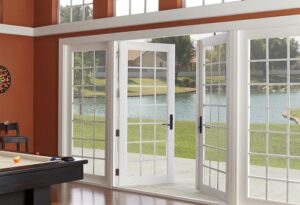
Since patio door types are referred to in many different ways, any discussion must begin with a quick review of terminology. Hinged patio doors are called a few different names depending on their style. Those with large, undivided glass panes are usually called garden doors, and like all hinged doors, they can swing inward or outward. French doors have panes divided by grids, giving them a more traditional look.

Sliding doors, also called gliding doors, are divided into several types. The most common are traditional sliding doors with one large glass pane per panel. French sliding doors have panes with grids. Telescopic sliding doors have three or more doors that run on parallel tracks, allowing them all to be retracted against the wall.

Folding doors are also called accordion doors. They fold against one another, and like telescopic doors, can be retracted to a wall. Bi-folds have two panels, tri-folds three, etc.

Cost

Pricing for doors will vary depending on material, glass, and hardware choices, but in general, hinged French doors are between 10% and 20% more expensive than basic sliding doors. They also require more expertise to install since they must be properly hung and balanced. The cost for folding doors is comparable to sliding doors, but larger doors with more panels will cost more.

Energy  Efficiency

All types of patio doors are available with features such as tinting, insulation-filled frames, and double-panes for enhanced thermal performance. Because of their configuration, sliding doors are less prone to air infiltration than hinged French doors, making them more energy-efficient, but it’s unlikely you’ll notice any significant difference in your monthly utility bill between the two options.

Sliding Vs. French Patio DoorsTransition Type

When selecting a patio door, it’s important to consider what it’s providing access to. If your lawn comes right up to your house, a sliding door or French doors that open inward will be the better option, since it won’t sweep out over the grass. If you have a tiled patio, outward opening French doors are also an option. If your patio doors open to a fully enclosed space such as a screened-in porch or sunroom, folding doors offer the opportunity to open up the entire wall, creating a nearly seamless transition from the rest of your house into your outdoor living area.

Security

Sliding, hinged, and folding doors are all available with impact-resistant glass as well as multi-point, tamper-resistant locking systems. The weakest point with French doors is where they meet. Sliding patio doors avoid this potential vulnerability, but anti-lift devices such as lockable inside drop bolts can be unsightly.

Space Considerations

One of the biggest pluses with sliding doors is that they require very little space to operate. This is an important for cramped quarters. French doors require room to sweep in or out. Folding doors require enough space along the wall to allow the panels to stack against one another. One consideration often overlooked is raised thresholds, which are also called rebates. French and sliding doors have them. Folding doors have no-threshold options that eliminate a possible tripping hazard, but they are not as energy efficient as those with thresholds. For this reason, they’re recommended for interior use such as a house-to-sunroom transition.

Views

When it comes to unobstructed views, folding and telescoping doors are the way to go. These doors allow you to open up the entire wall for maximum exposure. The flip side of this coin is that when folding doors are closed, there’s more framing than with sliding doors, so they allow in less light. Because of their grids, traditional French doors have the most restrictive views, but “restrictive” is a relative term considering the amount of glass all patio doors feature.

If you’re ready for new patio doors, the company to turn to in the Tampa Bay area is The Window Depot. We offer and install a wide variety of sliding, French, and folding doors in a plethora of styles. Reach out to us today to learn more or drop by our Palm Harbor showroom to see samples of the doors we carry.
What Makes a Door Energy Efficient? Key Features & Benefits

What Makes a Door Energy Efficient?Exterior doors lead a double life. When they’re open, they provide access to your home or backyard. When they’re closed, they provide a formidable barrier against would-be intruders and the elements. If you’re in the market for a new door, it’s fairly easy to see if it meets your standards for security. The locking hardware is right there for you to inspect. But how do you know if the door you’re considering is up to snuff when it comes to its thermal performance? It’s not quite so obvious. If you’re wondering what makes a door energy efficient, here are a few things to keep in mind before you purchase a new one.

Frame Material

When it comes to door frame materials, you want to choose something that is a poor conductor of heat. Fiberglass front doors and vinyl patio doors are two of the best options in terms of energy efficiency. Both of these materials resist thermal conduction quite effectively. Since steel is good at transferring heat, this frame material is a notch below the others. But most modern steel doors have insulation-filled inner chambers to boost their energy efficiency. Wood doors are the least energy efficient.

Style

Doors come in a variety of styles, from sleek and minimalistic to elaborate and eye-catching, but the single biggest determining factor for energy efficiency is the amount of glass that’s featured in its design. Doors with larger window panels tend to be less energy efficient than windowless doors, especially if the glass is a single pane (see below). With their large windows, patio doors are less energy efficient than entry doors, but modern designs incorporate several features to minimize heat transfer, including insulation filled frames. Hinged patio doors are less energy efficient than sliding models.

Glass Type

Just like windows, the glass in exterior doors is available in standard and high-performance packages. To maximize thermal performance, the glass must have two or three panes. The most energy efficient door glass also has argon or krypton gas between the panes to further reduce heat flow. Premium patio doors are available with these options as well, but to make them as energy efficient as possible, window treatments such as curtains or blinds are a must. They may block your view, but they’ll also block solar heat, which will keep your home cooler during warmer months.

Internal Insulation

The core of a door is either solid or a honeycomb of inner chambers. While solid-core doors are touted for their security, they are not as energy efficient as doors with insulation filled core. Polyurethane foam is most often used to create a thermal barrier that prevents heat transfer. Obviously, the more insulation the better the performance, which is another reason why doors with a small amount of glass or no glass at all are more energy efficient. Insulation-filled cores are smaller in window-dominated models. And as mentioned above, patio door frames can also be augmented with insulation.

Installation

The most energy-efficient doors will not provide the thermal performance they’re rated for if they’re not properly installed. Even doors that open easily and seem plumb, level, and square can be misaligned just enough to create gaps for air to get through. It may seem counter-intuitive, but improper installation is more common on pre-hung doors, which are packaged with their frames. That’s because the frames must be properly sealed and caulked to prevent airflow, and if this isn’t done with precision, it could allow air and moisture to seep into your home. Another common problem is weatherstripping that’s damaged during installation.

The Company to Turn to for Energy Efficient Doors

If the time has come to replace your exterior doors, the company to turn to is The Window Depot. We offer homeowners throughout the Tampa Bay area a wide variety of premium products made by industry leaders such as Provia, Therma-Tru, Plastpro, and PGT. In addition to our front and patio doors being energy efficient, they’re also durable, easy to care for, and of course beautiful. Reach out to us today and schedule a no-obligation consultation to learn more. Or if you’d prefer to browse our selections firsthand, drop by our expansive showroom in Palm Harbor. With so many options to choose from, you’re sure to find the perfect exterior door for your home.

Exploring Entry Door Options: Which Style Fits Your Home Best?

Thinking about buying a new entry door? Overwhelmed by what type you should consider – Aluminum, uPVC Skin Composite, or Fiberglass Skin Composite?

The Window Depot is not only only Tamp Bay’s best source for replacement windows but also entry doors! Read below for a handy guide to understand the differences between they types of entry doors. Any questions, call us and we’ll be more than happy to help!

There are a few types of composite doors available on the market for homeowners to choose from. The three main types of composite doors are metal like steel and aluminum, fiberglass and uPVC. Composite doors are strong, last longer and are better insulated. They require very little maintenance or upkeep. Composite entry doors are available in a range of colors and styles as well to suite the décor of your home or business. Each type of door has it’s own specific benefit depending on the material used in its fabrication and overall workmanship.

Aluminum Skin Composite Door:

These doors are available in a single layer, double layer, or a triple layer. The outer layer is always aluminum and usually smooth in texture. On doors with two or more layers polyurethane foam is used to make up the core. The foam is great for insulating and sound damping properties. On triple layer entry doors you will have an extra layer of galvanized aluminum built into the door.

Aluminum doors tend to be used more in commercial environments like office buildings, dorms, hotels, and some corporate installations. A common style includes an aluminum frame with a glass window in the center. Aluminum doors also cost less that wooden doors. Usually when building a structure that includes a lot of doors such as a school you will see aluminum doors as the choice due to it’s overall value.

uPVC Skin Composite Doors:

Due to the easier maintenance and better durability than a wood door most people prefer a composite door. There are plenty of modern designs available to choose from as well. With the right paint these doors will maintain a long luster in the elements. When the grime and dirt accumulate simply wipe down your door with soap and water to have everything looking new again. These doors also resist nicks, scrapes, bumps, and jabs better than wood doors. Lastly environments that have high humidity or moisture may want to look at a PVC skin door.

UPVC composite doors also resist the weather better than wood doors. Adding a piece of frosted glass will also help let in light during the day while adding an ornamental and decorative characteristic to the door. It’s debatable as to weather the light entering you home can offset the cost of lighting your entry or foyer. Since composite doors are made by machine they are available in many different sizes and moldings. They also can come with different options like knockers, letterboxes, peepholes, and windows.

Fiberglass Skin Composite Doors:

Fiberglass composite doors are also available and provide a bit more rigidity and avoid the expansion and contraction of the summer and winters. Fiberglass doors are constructed using fiberglass and resin and are also available in a variety of shapes and sizes. The skin is molded from a resin in a liquid form which chemically hardens during the manufacturing process. This allows for a finer grain definition. Fiberglass doors tend to also last a very long time and are very versatile but they are not as sound proof. Speak to your local door and window store representative to find out which door is best for you.

The Window Depot offers top-quality products from leading manufacturers, including:

PlastproThermaTru

To beautify your home and protect your family, schedule your free consultation today.

The Benefits of Vinyl Siding Doors: What to Know Before You Buy

You might have heard about the growing popularity of vinyl siding doors and how they’re transforming the way homes look and perform. But what exactly makes vinyl siding such a reliable choice among homeowners, contractors, and designers alike? It’s all thanks to theirstrong resistance to weather, energy-saving insulation, and a wide range of styles that can match any architectural look

So, if you’re planning a full exterior renovation or simply want to improve your home’s curb appeal with modern siding and entryway updates, vinyl siding doors deserve a chance. Still unsure or confused about what they offer? This blog will walk you through its design features, the lifespan of vinyl sliding doors, and related design ideas, all in detail.

Vinyl Siding

The Benefits of Vinyl Siding

Vinyl siding doors offer numerous benefits, in addition to their visually appealing appearance like:

1. Low Maintenance

Vinyl does not warp, rot, or rust like wood or metal. It requires just an occasional rinse with a garden hose to keep it looking new. Vinyl’s non-porous surface prevents dirt, dust, and stains from penetrating, making it easy to keep clean and hygienic. That means fewer weekends spent sanding, painting, or resealing, and more time enjoying your home.

2. Energy Efficiency

Modern vinyl siding doors are designed to improve your home’s overall energy performance. Many models feature insulated cores that help reduce heat transfer, keeping your interiors cooler in summer and warmer in winter. This added insulation can contribute to lower energy bills and a more comfortable living environment year-round.

3. Weather Resistance

Vinyl siding offers excellent weather resistance by effectively shielding homes from harsh elements like rain, wind, and UV rays. Its durable, moisture-resistant material prevents warping, rotting, and rust, even in extreme climates. Unlike wood, vinyl doesn’t absorb water, making it ideal for wet or humid conditions. Many options also come with UV-resistant coatings, helping maintain color and structural integrity over time.

4. Affordability

Compared to wood or composite materials, vinyl siding doors are generally more affordable. Vinyl materials, such as flooring, wall coverings, or decals, are generally easy and quick to install, reducing labor costs. They offer a great balance between cost and long-term value, making them a top choice for those considering vinyl window installation

5. Design Versatility

Vinyl products are available in a variety of textures, finishes, and colours. They include traditional white to bold contemporary shades like deep navy, charcoal gray, or forest green. That’s not it. You can even get them cut precisely into intricate shapes using plotters or laser cutters. Last, but not least, you can also easily remove them without damaging surfaces, especially if it’s low-tack or temporary vinyl.

Explore and match the required features from our brand catalog of Vinyl siding for your home today!


How Long Does Vinyl Siding Last?

The lifespan of Vinyl siding depends on the quality of the material and the climate. On average, vinyl siding has a lifespan of 20 to 40 years. Top-tier products, when installed correctly and maintained well, can even exceed this range.

For maintenance: –

  • Start by washing the siding once or twice a year with a garden hose and mild soap to remove dirt, mildew, and grime.
  • Check for any cracks, warping, or loose panels, especially after storms, and address minor issues early to prevent larger problems.
  • Avoid using harsh chemicals or pressure washers, as they can damage the surface.
  • Trimming nearby bushes and trees can also reduce the risk of scratches or impact from branches.

Top Vinyl Design Ideas for Your Home

Now that you know the practical advantages, let’s explore some stylish vinyl siding design ideas to inspire your next dream home project.

1. Coastal-Inspired Themes

Living near the water? Choose soft blue or seafoam green vinyl siding paired with white frames for a breezy, coastal look. This pairing complements the natural landscape beautifully.

2. Modern Farmhouse Appeal

Consider pairing white or cream-colored vinyl siding doors with black vinyl windows for a bold contrast that screams modern farmhouse chic. Add in matte black hardware to complete the look.

 3. Earth-Toned Harmony

For a natural and grounded aesthetic, go for warm earth tones like mocha, beige, or olive. Pair these with brown-trimmed accents to create a cozy and inviting façade.

4. Wood-Look Vinyl Siding

If you love the rustic appeal of wood but dislike the upkeep, opt for vinyl siding that mimics cedar or oak. It’s perfect for those who want the best of both worlds: natural appearance and low maintenance.

 5. Statement Entryways

Choose a bold color, such as red, navy, or even mustard yellow, for your vinyl siding door to create a focal point that instantly boosts curb appeal.

6. Contemporary Glass Panels

For a sleek, modern vibe, go with vinyl siding doors that incorporate frosted or clear glass panels. They add natural light, enhance visual openness, and blend beautifully with minimalist or industrial home exteriors.

7. Classic Paneled Designs

If you prefer a timeless aesthetic, opt for paneled vinyl siding doors in classic shades like white, burgundy, or forest green. These designs complement colonial, craftsman, or ranch-style homes while offering all the benefits of modern vinyl.

Need help choosing a style that fits your home? Search for “vinyl siding near me” to find local experts who can show real samples and recommend options that suit your region and design preferences.

Conclusion

Vinyl siding doors are more than just an aesthetic upgrade—the best solution for homeowners looking for durability, energy efficiency, and style.

Now, if you have decided vinyl siding doors are the right choice for your home, it’s time to find a supplier you can trust. The Window Depot is here to make that next step easy. With premium-quality vinyl siding doors and customer-first service, we help you bring your vision to life—seamlessly, efficiently, and beautifully. Let us help you transform your space with products built to last.


Visit our Palm Harbor Showroom

Speak with a certified window, door & siding specialist

  • View luxury door options
  • See all types of window styles
  • Receive a free and instant quote

Get Directions
DECEMBER COMMUNITY PARTNER

We Are Matching Up to $1,000 of Your Donations!

Learn More Give the gift of mobility this Christmas. All proceeds benefit:

Summer Savings:
20% Off
on Your Purchase –
Hurry, Limited Time Only!
Call for Details

Limited Time Offer!
60 months at 0% interest, No Down Payment!

See Special Offers *With Approved Credit. Min purchase required. Cannot be combined with other discounts or promotions. Limited time only.

Join Our Team

Become a Part of The Window Depot

Want to join a team of specialized and highly trained window experts? If so, then apply to The Window Depot today! We are looking for qualified, hardworking individuals to join our renowned company. Come work with our team, which has more than 60 years of combined experience in home construction.

Career Opportunities