Key takeaways:
|
| Summary: Choosing a window installation company in Fort Myers is really about finding the team that fits your project, explains the process clearly, and installs the right products for your home. Factors like impact-rated options, quote details, warranty coverage, review quality, and local experience can all shape the outcome. Homeowners often compare a mix of local specialists and national retailers, and five Fort Myers companies stand out as common starting points during that search. |
Sometimes “window shopping” in Fort Myers turns into actual window shopping because you need an all-in-one solution for your home and finding it takes time. Maybe the master bedroom feels warmer than the rest of the house or you’re never comfortable in your sunlit kitchen. Maybe the increasingly unpredictable weather is why you’re looking to upgrade the insulation of your property or you’re dealing with the same pesky window issue every time it rains. What starts as one small problem can quickly evolve into a bigger question: who should you trust to handle the project?
The search can be complicated. Some companies are national retailers. Some focus on standard replacements, while others are better suited for impact products or larger upgrades. The Window Depot Fort Myers is one local option many homeowners compare when they want help with replacement windows, impact-rated products, and professional installation. Before we look at five of the best window installation companies in Fort Myers, let’s break down how to compare them in a way that actually helps. Keep reading to see for yourself!
How do I choose a window installation company?
Start with the project in front of you, not the first company name you see online. Before you go ahead with the search, you should first consider what you actually need when getting new windows installed.
The right company should understand what kind of performance you need and how the finished project should feel once the work is done. That’s one reason homeowners may include The Window Depot Fort Myers in their search when they want a team that can explain product options, installation details, and impact-rated choices without making the process feel overwhelming.
Match the company to the project
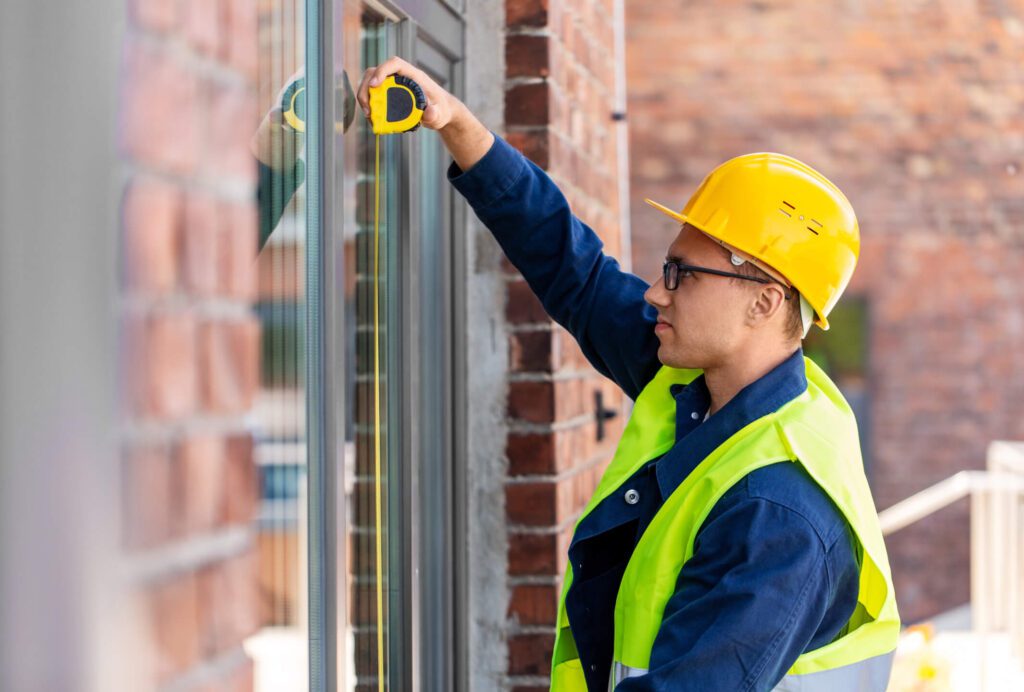
If you only need one damaged window replaced, your main concerns may be product availability, accurate measuring, and clean installation. If you are replacing several openings at once, the conversation should go much deeper. You may need help comparing frame materials, glass packages, style options, and how each choice affects comfort inside the home.
Know what problem you want to solve
Some homeowners want a cleaner look. Others want better insulation, easier operation, less outside noise, or stronger storm-season protection. Those goals can point you toward very different products.
Before comparing companies, think about what is bothering you most. A window installation company that understands the real problem can make a more useful recommendation than one that only asks how many units you want replaced.

Should you choose a local specialist or a national retailer?
Not every company on your shortlist will work the same way. Some homeowners like the familiarity of a national retailer. Others prefer a local specialist who focuses closely on product selection, measuring, installation details, and local conditions.
Neither option should be chosen on name recognition alone. The better question is whether the provider understands your project, explains the process clearly, and gives you enough information to compare products, pricing, and support with confidence.
Local guidance can be easier to personalize
A local company may be better positioned to talk through Florida weather, impact-rated products, frame materials, glass packages, and the way the project will work from consultation to installation. That can be especially helpful if you are replacing more than one unit or trying to improve comfort, storm readiness, and curb appeal at the same time.
The Window Depot Fort Myers fits this local-specialist category because the company offers professional window installation for replacement windows and impact products for homes in West Florida. For larger projects, it also helps a lot when the company you’re talking to can explain Lee County replacement permit steps to you in a way that’s easy to digest. You, of course, don’t need to know every single requirement before you call, but the installer should be able to tell you what may apply and how those steps are usually handled.
National retailers may feel familiar
A national retailer can appeal to homeowners who want a recognizable brand, a broad product catalog, or a store-based buying process. That familiarity can be useful, sure, especially for people who already shop at the same retailer for other home improvement projects.
Still, it’s worth asking who performs the local window installation, what products are actually being quoted, what warranty applies, and who handles all of the questions after the sale. A familiar logo can make the search feel easier, but the details of the project should still matter.
What questions should you ask before scheduling a consultation?
The first conversation with a company can tell you a lot. You do not need to have every detail figured out, but you should leave that conversation feeling more informed than when you started.
If your current windows are drafty, difficult to open, or past their prime, consider asking how the company would handle window replacement. The answer should help you understand product choices, installation expectations, and whether the company is looking at your home carefully instead of giving you a one-size-fits-all recommendation.
Helpful questions
- What window brands do you offer?
- Do you install impact-rated products?
- Who measures the openings?
- Who performs the installation?
- What warranties apply to the products?
- Is workmanship covered?
- Can you explain the permit or product approval steps?
- Do you offer a free consultation or quote?
- How is cleanup handled after installation?
It also helps to ask for written estimates before hiring, especially if you are comparing more than one company. The goal is not to interrogate the installer. It is to find out whether they communicate clearly before the project starts.

How to compare window installation quotes?
A quote should help you understand the project better, not just give you a number. If two window installation companies send very different prices, the gap may come from the product line, glass package, labor details, warranty terms, or how much support is included before and after installation.
That is why it helps to compare the full scope instead of choosing based on price alone. A clear quote should make the project easier to understand, while a vague one can leave you with more questions than answers.
A clear quote should show the full scope
A helpful quote should explain what is being installed, how many openings are included, what product line is being used, and what the installation includes. It should also make warranty details, labor expectations, and timing easy to understand.
Homeowners who want low-maintenance windows may also want to ask about vinyl windows options during the consultation. Details like frame material, glass package, and window style can affect how the finished project performs.
Cheaper can mean different, not better
A lower quote may leave out details that another company included. It may also reflect a different product, a shorter warranty, less installation support, or a thinner project scope.
Before choosing the cheapest option, compare product details, warranty terms, installation responsibilities, and the level of support included. It is also worth watching for vague language, rushed explanations, unclear warranty terms, or other home repair red flags before moving forward.
What are the top 5 window installation companies in Fort Myers?
Once you know what to look for, the list becomes easier to use. These companies may fit different homeowners depending on project size, product goals, budget, and how much guidance you want during the process.
Here are five options homeowners often compare when looking for the best window installation companies in Fort Myers.
1. The Window Depot Fort Myers
The Window Depot Fort Myers – Windows & Doors is a really strong choice for homeowners who want a local company focused on windows, impact products, and professional installation. The family-owned and operated company has served Fort Myers homeowners since 2009 and brings more than 60 years of combined construction experience to residential window and door projects.
This is the option to look at closely if your project includes impact windows, vinyl replacement windows, entry doors, or patio doors. The Window Depot Fort Myers also works with trusted brands such as PGT and Simonton, offers no-pressure guidance, and backs installation with a lifetime workmanship guarantee. If you are comparing exterior upgrades alongside your main window project, it may also help to research entry door replacement in Fort Myers before making a final plan.
2. Home Depot
Home Depot may appeal to homeowners who prefer a national retailer with a familiar process. Its Fort Myers window replacement service promotes in-home consultations, professional measurements, product samples, and project quotes.
This option can make sense if you want a recognizable retail experience and a broad home improvement brand behind the project. As with any large retailer, it’s still worth asking who performs the local installation, what that process would look like, what products are being quoted, and what warranty support applies.
3. Lowe’s
Lowe’s is another national home improvement retailer that offers window installation services in the Fort Myers area. Its local installation page mentions single-window replacement, whole-home projects, and access to brands such as Pella, JELD-WEN, and Reliabilt.
This may be a practical option for homeowners who want to compare products through a retail store and keep the buying process familiar. Before moving forward, you should ask about installer details, labor warranty, product selection, and how communication will be handled once the project starts.
4. Wallaby Windows
Wallaby Windows of Fort Myers is a dedicated window company that homeowners may find during their search. Its BBB profile describes services that include hurricane impact windows, replacement windows, and new-construction installation for residential and commercial use.
This company may be a fit for homeowners who want to compare specialized installers rather than only national retail options. Ask about product lines, installation steps, warranty coverage, and experience with homes like yours.
5. SunBelt Home Solutions
SunBelt Home Solutions offers replacement windows and broader exterior home solutions in the Fort Myers area. They focus on high-performance replacement windows and products made for Florida’s climate.
This option may work for homeowners who are thinking beyond one isolated replacement and may want a company that also handles other exterior improvements. If you compare SunBelt with more window-focused companies, make sure the estimate clearly explains which services are included and how the project will be managed.
Is it worth it to get impact windows?
In Fort Myers, windows are not just decorative choices. They affect comfort, noise, security, storm preparation, and the way your home feels every day. That is why impact products deserve their own conversation when you are comparing companies.
Some homeowners start with standard replacement windows and later realize they should have asked about impact glass too. It is better to have that conversation early, especially if hurricane season is part of the reason you are starting the project.
Storm season changes the conversation
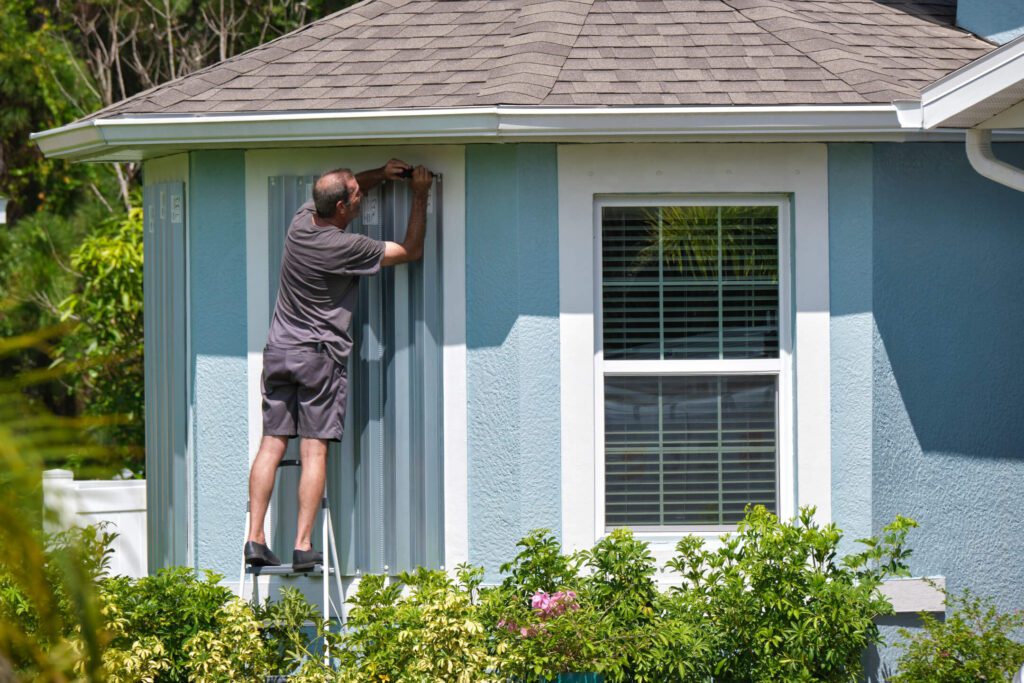
A home in Southwest Florida has to deal with more than normal wear. Hurricane season, wind-driven rain, and flying debris can all influence which products make sense. When you compare companies, it helps to think about storm-season home prep as part of the decision instead of treating it like a separate project.
This does not mean every homeowner needs the most expensive option. It means your installer should be able to explain standard products and impact-rated choices in plain language.
Good products still depend on good installation
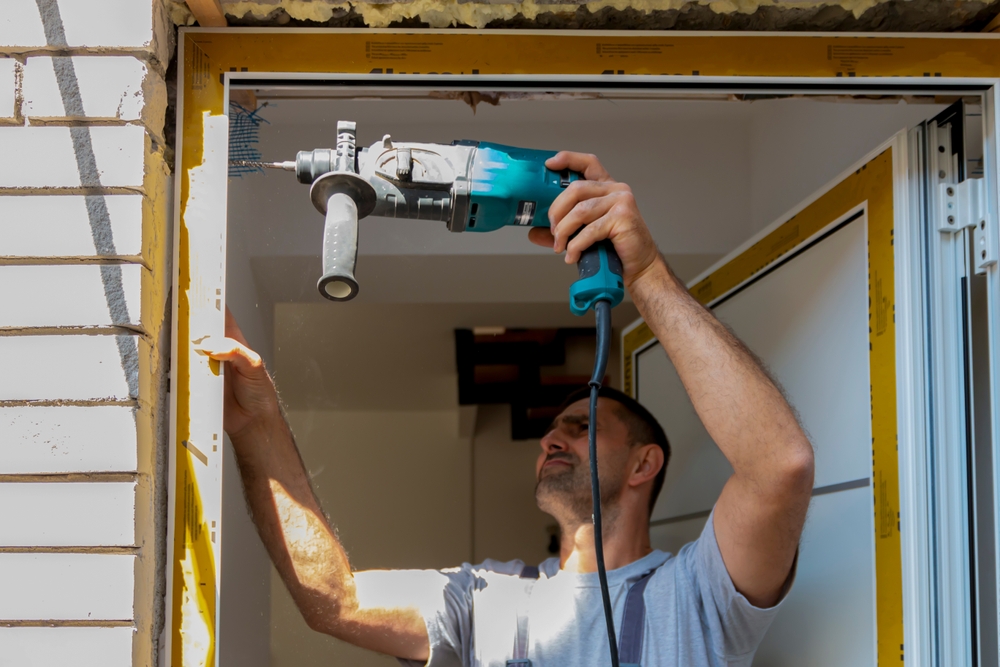
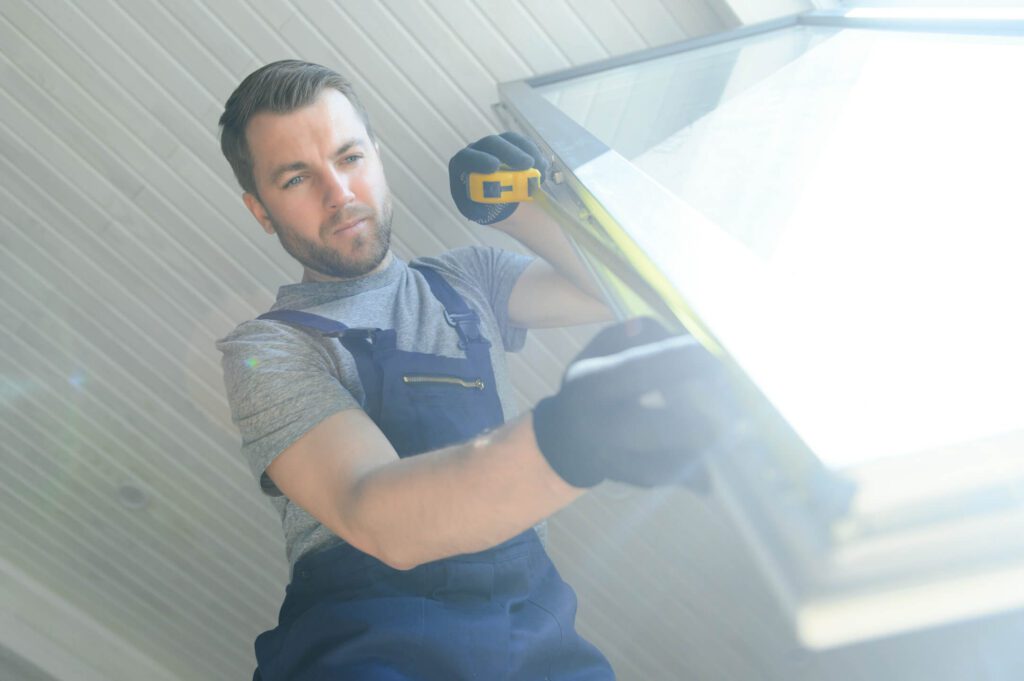
Impact-rated products need careful measuring and proper installation. The product itself matters, but so does the team putting it in place. A window that is poorly fitted or rushed through installation can create problems later, even if the product looked great on paper.
If storm protection is a major reason for your project, ask about impact window options built for storms and how the installer handles the details. It is also worth reviewing impact windows before hurricane season if you are still deciding whether impact products are the right move for your home.
Which window company has the best reviews?
Once you have a few companies in mind, reviews can help you understand what the experience may feel like beyond the website. The “best” reviews are not always about the highest star rating. A company may have a strong average score, but the written feedback usually tells you more about communication, installation quality, product guidance, and follow-through.
When comparing window company reviews in Fort Myers, look for details that match the kind of work you need. A homeowner replacing one older window may care most about speed, pricing, and product availability. Someone planning impact windows or several openings may need stronger communication, clearer product guidance, and more installation experience.
Look for the story behind the stars
A five-star review that says “great job” is nice, but it does not tell you much. A better review explains how the company handled the estimate, scheduling, product questions, installation, cleanup, or follow-up.
That is where The Window Depot Fort Myers is a helpful example of what to look for. Reviews and testimonials are most useful when they speak to the parts of the project that matter after the sale, such as product quality, installer professionalism, communication, and the finished result. Those details help you understand whether a company simply completed the job or made the process feel organized from start to finish.
Match the reviews to your project
A company may have great feedback for basic replacement work, but that does not automatically make it the right fit for impact products or a larger upgrade. Look for reviews that mention projects similar to yours.
If you are considering impact windows in Fort Myers, reviews that mention impact glass, storm preparation, or whole-home upgrades can be especially valuable. They show whether the company has experience with the same kind of project you are trying to plan.
Who should you call for quality window installation in Fort Myers, FL?
If you are looking for impact windows, replacement windows, entry doors, or patio doors, The Window Depot Fort Myers – Windows & Doors is here to help you compare your options without pressure. Our family-owned and operated team has served homeowners throughout West Florida since 2009, and we understand how much the right products and installation can affect comfort, curb appeal, and storm preparation.
Whether your home is near the Caloosahatchee River or elsewhere in Lee County, we can walk you through trusted brands, impact-rated choices, vinyl window options, and professional installation details before you make a decision. Schedule a free consultation today and let our team help you plan your project with clarity from the start.